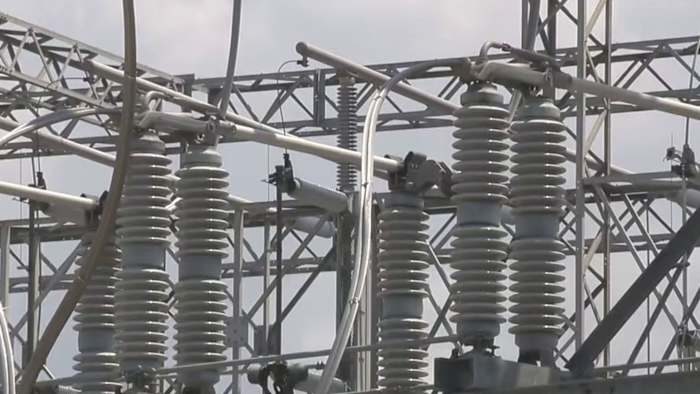
In a decisive step to safeguard Texas’ water and power resources, Governor Greg Abbott directed the Texas Commission on Environmental Quality (TCEQ) to temporarily stop issuing permits for new data‑center projects. The pause will remain in effect until a comprehensive audit of the facilities’ electricity and water usage is completed.
Why the pause matters for Texans
Data centers are the hidden engines behind everyday digital activities—phone alerts, online banking, streaming video and social‑media posts. As artificial intelligence and other digital technologies expand, demand for these facilities has surged, prompting concerns about their impact on the state’s critical infrastructure.
Professor Ali Mehrizi‑Sani of Virginia Tech’s College of Engineering highlighted a recent Google study showing that a typical AI prompt consumes about 0.24 watt‑hours of electricity and five or six drops of water. While those figures seem modest, multiplied by billions of daily queries, the cumulative effect becomes significant. One projection suggests AI‑driven data centers could account for 12% of U.S. electricity consumption by 2030.
Balancing benefits and resource stewardship
Mehrizi‑Sani cautioned that data centers are not inherently good or bad; their impact depends on how they are built and operated. Existing technologies such as air‑conditioning and cooling systems already use comparable amounts of power, underscoring the need for thoughtful investment and infrastructure planning.
“We can’t really assume that a data center is necessarily a negative development or a positive development,” he said. “It really depends on the way that data centers are implemented, the types of investments that they are going to require and what changes in the infrastructure they would necessitate.”
State officials push for oversight
Attorney General Ken Paxton announced an investigation into hundreds of Texas data centers over alleged water‑use reporting discrepancies. The probe is expected to continue through the end of the year, signaling a broader commitment to transparency and resource protection.
Some industry advocates are urging Abbott to convene a special legislative session so lawmakers can consider new regulations tailored to data‑center operations. Such measures could provide clearer guidelines for water‑use reporting, energy efficiency standards, and local community input.
What Texans should watch
Communities across the state are encouraged to stay informed about proposed data‑center projects in their area. By asking targeted questions about water consumption, power demand, and mitigation plans, residents can help ensure that growth in the digital economy does not come at the expense of essential resources.
The upcoming audit will examine how data centers draw electricity from the grid, their cooling methods, and the accuracy of water‑use disclosures. Findings from the review are expected to shape future permitting criteria, potentially leading to stricter standards that balance economic development with environmental stewardship.
For now, the temporary halt serves as a reminder that even high‑tech growth must align with the values of responsible stewardship, a principle that resonates with Texas families who rely on reliable power and clean water for their homes and businesses.
Original reporting: San Antonio, TX News (HLL/CB) — read the source article.