Near-record grain inventories, technological advances, and the rise of key exporters such as Brazil and Russia have made the global food system more resilient to this year’s ‘super’ El Nino than similar past events.
Global Farm Production
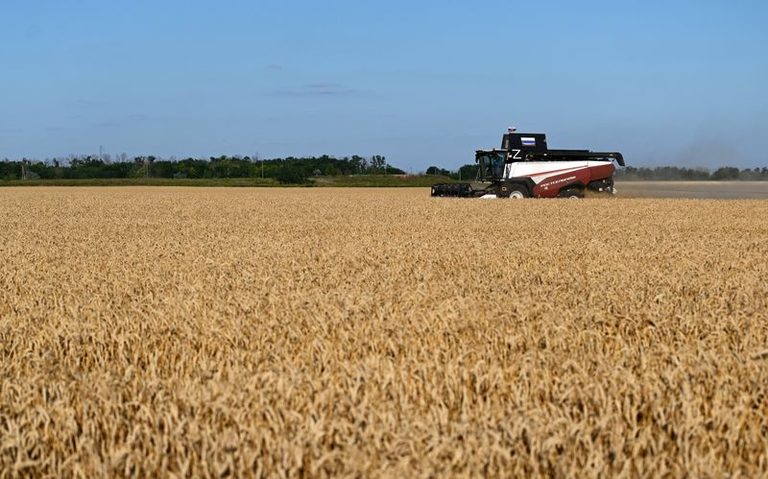
World farm production has outpaced consumption and population growth since the 1980s, according to the UN Food and Agriculture Organization (FAO) and analysts. The changes have been driven by higher-yielding crop varieties, greater use of fertiliser, and improved irrigation and crop protection, lifting yields of staples such as rice, wheat, corn, and soybeans.
Andrew Whitelaw of Australian agricultural consultancy Episode 3 said, ‘Even during drought conditions, better irrigation management and crop science mean we can still produce marketable yields.’ He added, ‘The potential impact on global food supplies and prices exists, but our improved preparedness means the disruptions are much less severe than they would have been in previous decades.’
El Nino’s Impact
Dryness brought by El Nino has already disrupted crop planting across large parts of Asia, including India, Southeast Asia, and Australia, while shortages of fertiliser and diesel caused by the Iran war add to global food production risks.
India is battling a deficient monsoon season, while prospects of drier weather loom in Australia’s key wheat-growing regions, and crops across Southeast Asia, including Indonesia and Thailand, are suffering from a lack of moisture.
Chris Hyde, a U.S.-based meteorologist at satellite data and imagery firm SkyFi, said, ‘Expectations are that it will be one of the strongest on record, or the strongest the world has ever seen, and that means the big impact of dryness has yet to come.’
Record Inventories
Near-record grain inventories, drought-tolerant seeds, better weather forecasting, precision agriculture, improved irrigation, and the emergence of newer export powerhouses are poised to cushion much of the fallout.
In key crop producer India, sowing has kept broadly on track after overcoming a substantial initial lag, although rains in August and September will be crucial for maturity and grain formation.
Global palm oil stocks stand near historic highs, although Indonesia’s aggressive biodiesel programme is likely to trim inventories in coming months.
Original reporting: Appleton, WI News Feed (HLL/CB) — read the source article.