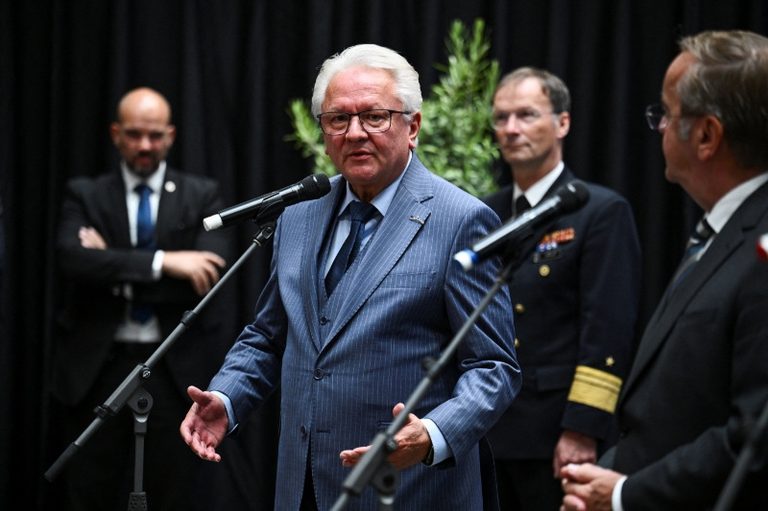
German Defence Minister Boris Pistorius said on Monday that a recent Russian drone strike on a passenger train near the Ukraine‑Poland border represents a calculated escalation by President Vladimir Putin aimed at sowing fear across Europe.
Details of the attack
According to Reuters, a Russian‑controlled drone struck a passenger train traveling close to the NATO‑member border on Sunday. The incident occurred shortly after a diplomatic train carrying former British Prime Minister Boris Johnson and several European diplomats passed through the same corridor.
Pistorius, speaking to reporters in the northeastern German town of Wolgast, stressed the need for a level‑headed response. “It is all the more important that we remain level‑headed, that we do not allow ourselves to be provoked, but that at the same time we leave no doubt that we are capable of defending ourselves and will not back down if the situation escalates,” he said.
German and NATO perspective
The minister described Putin’s actions as “dangerous” and noted that the Russian leader is fully aware of the threat such attacks pose to European security. He urged European partners to stay united and to reinforce defensive measures along the alliance’s eastern flank.
While the strike did not result in reported fatalities, the incident underscores the heightened risk of military actions spilling over into civilian infrastructure in the region. NATO has repeatedly warned that any aggression against member states or their neighbors could trigger a collective response under Article 5 of the alliance charter.
Implications for Europe
Pistorius’ comments come as European governments grapple with the broader implications of Russia’s increasingly aggressive posture. The German defence ministry has called for heightened vigilance, increased air‑defence readiness, and closer coordination with NATO allies.
Analysts note that the timing of the attack – coinciding with a diplomatic train’s passage – may be intended to send a political message as well as a military one. The incident is likely to fuel ongoing debates within the European Union about energy security, military spending, and the need for a unified strategy to deter further Russian provocations.
What comes next?
German officials say they will continue to monitor the situation closely and work with NATO partners to ensure that any further escalation is met with a decisive, coordinated response. The ministry also indicated that additional intelligence assessments are underway to determine whether the drone strike was part of a broader campaign targeting transport infrastructure in the region.
For now, European leaders are urging calm, urging citizens not to be swayed by fear, and reaffirming their commitment to defend the continent’s borders against any further aggression.
Original reporting: Appleton, WI News Feed (HLL/CB) — read the source article.