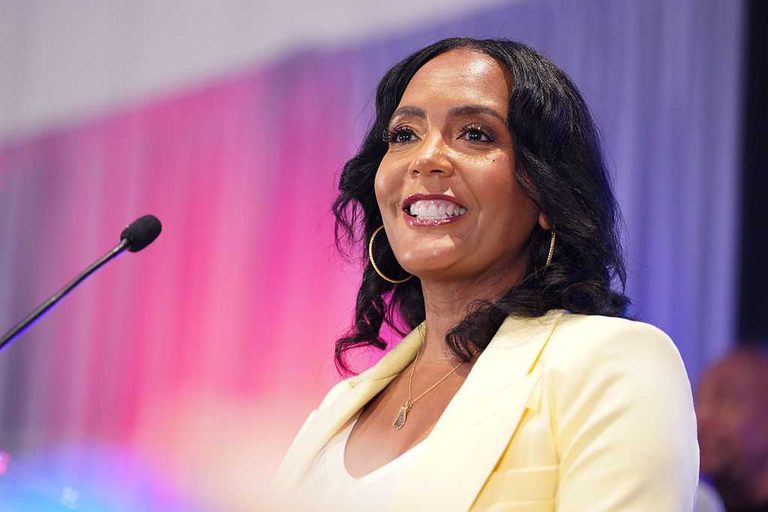
Georgia voters have chosen Keisha Lance Bottoms as the state’s next governor, making history as the first Black woman to hold the office in any U.S. state. The Associated Press projects Bottoms’ victory after the November election, confirming a decisive win over her Republican opponent.
Political background and endorsements
Bottoms previously served as mayor of Atlanta from 2018 to 2022, where she oversaw the city’s response to the COVID‑19 pandemic and championed public‑private partnerships. During the Biden administration she was a senior advisor and director of the White House Office of Public Engagement, a role she left in 2023.
In the Democratic primary, Bottoms secured a commanding lead—more than 37 points ahead of the next‑closest candidate—and earned endorsements from President Biden and former President Barack Obama.
Policy priorities
Medicaid expansion was a cornerstone of Bottoms’ campaign. At an early‑voting event she called expanding Medicaid in Georgia a “number one priority.” She also proposed a temporary pause on new data‑center construction to allow the state time to study the projects’ impacts. Additionally, Bottoms advocated for a state‑level voting‑rights act to protect ballot access.
Implications for Georgia
Bottoms’ election signals a shift in Georgia’s political landscape, which has seen closely contested races in recent cycles. Her administration will inherit a state budget that includes ongoing debates over tax policy, education funding, and infrastructure development. While her Medicaid expansion plan could increase health coverage for low‑income residents, critics warn it may strain the state’s finances.
Reactions
Republican leaders in the Georgia General Assembly have expressed concern about the potential fiscal impact of expanding Medicaid and pausing data‑center projects, arguing that such moves could deter private investment. Democratic officials praised Bottoms’ historic win and emphasized her commitment to expanding health care and protecting voting rights.
Bottoms’ victory adds to a broader national trend of increasing diversity among elected officials, though it also underscores the partisan divide on key policy issues such as health‑care expansion and election‑law reforms.
Original reporting: Oklahoma City News Feed (HLL/CB) — read the source article.