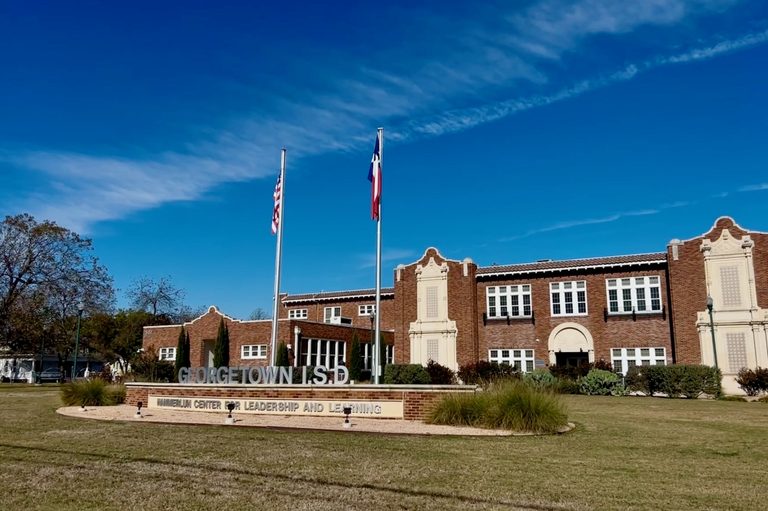
Georgetown Independent School District trustees gathered for a special workshop on November 10 after voters rejected Proposition A, the district’s effort to raise the maintenance and operations tax rate by $0.09 per $100 valuation. The measure fell short by 3.12 percentage points in the November 3 general election.
Fiscal backdrop
While GISD approved a balanced budget for the 2026‑27 school year, it did not include district‑wide pay raises. The district’s combined tax rate now stands at $1.0206 per $100 valuation after cutting its interest and sinking tax rates.
Options on the table
Board members considered three primary cost‑saving strategies:
- Closing under‑enrolled schools, a move trustee Laura Kincheloe said could avoid “a million minor cuts.”
- Increasing class sizes, especially in higher grades, to reduce staffing costs while preserving smaller classes for early‑grade foundational skills.
- Reducing or trimming certain student programs and field trips, a topic previously discussed in a September 8 workshop.
Superintendent Devin Padavil warned that relying on upcoming state legislation to boost funding would be “irresponsible” without a backup plan, noting that any new policies likely won’t take effect until June.
Board priorities
Trustees ranked the district’s top five priorities for the year as:
- Excellence in student academics and instructional quality.
- Providing a nurturing environment through extracurricular programming.
- Retaining high‑quality teachers by increasing compensation and professional development.
- Maintaining a balanced budget.
- Protecting class sizes.
Board President James Scherer acknowledged the inevitable trade‑offs, stating, “Somewhere, someone’s going to lose in this equation. There’s no magical, fun happy ending where there’s no negative impact to anybody.”
Decision‑making criteria
Trustees also identified five guiding parameters for future decisions, emphasizing student outcome growth, adequate staffing, the status of under‑enrolled schools, potential negative impacts on students, and seeking staff expertise where needed.
Looking ahead
The board will continue to explore these options while monitoring the district’s fund balance, which could affect its financial ratings and bond interest rates. Community input and transparent communication remain central as GISD navigates the fiscal challenges posed by the tax‑rate defeat.
Original reporting: Community Impact — Austin — read the source article.