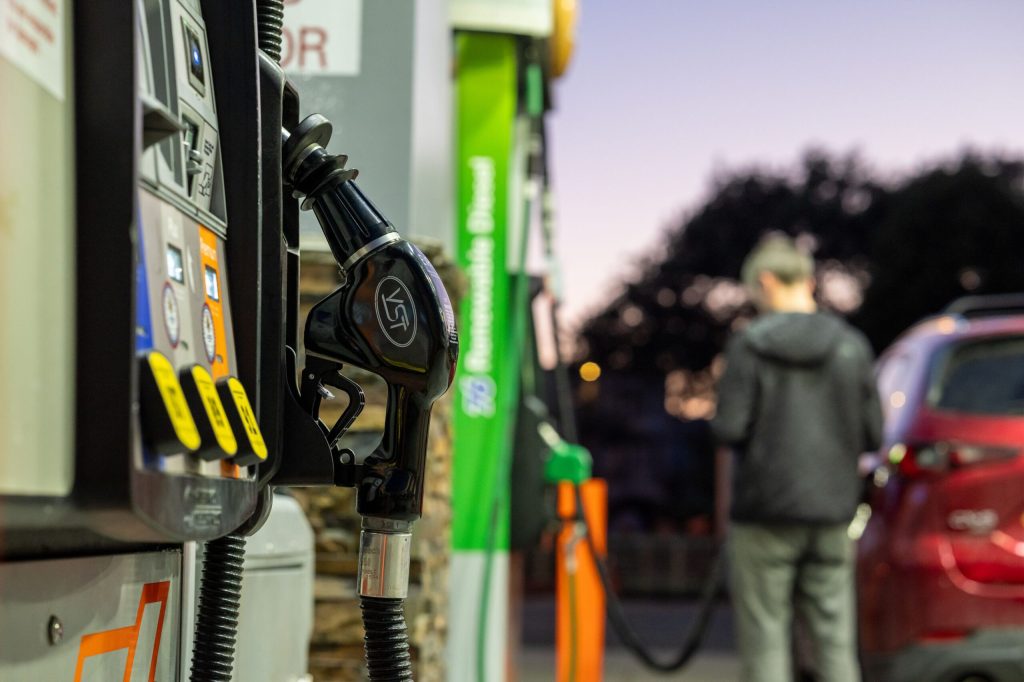
Gasoline prices have climbed more than 50% since the outbreak of the war in Iran, a shift that reporter Chris Isidore and others say is reshaping daily life for Americans from cities like San Francisco to rural towns. This piece looks at how those higher pump prices ripple through the economy, why there’s no full shelter from the pain, and what drivers, small businesses, and policymakers are facing now.
Most people feel fuel costs in a single moment at the pump, but the effects run much deeper and faster than that single swipe of a card. Trucking companies that haul everything from groceries to construction materials are adding diesel fuel surcharges, and those extra line items roll into prices on store shelves. When moving goods costs more, consumers pay more, and businesses scramble to tighten margins or pass costs along.
Oil is woven into the American economy, so the ability of individuals to insulate themselves is limited even when they try to economize. Driving less, carpooling, or combining errands helps, but those are marginal fixes that don’t erase the broader inflationary push. For many families, the choices are smaller: delay nonessential spending or accept that higher transportation costs will nibble at household budgets.
Geopolitical shocks in oil-producing regions quickly translate to market volatility, which then feeds through to pump prices and shipping rates. That volatility hits sectors unevenly: airlines and trucking feel it immediately, farmers and manufacturers feel it the next quarter, and consumers see the final price tag in the supermarket aisle. Policymakers and industry leaders can try to dampen swings, but short-term supply disruptions are notoriously hard to control from here at home.
Some solutions are structural and slow-moving, like investing in alternative fuels, improving freight efficiency, and expanding public transit options in urban centers. Those moves can reduce exposure over time, but they require coordination, capital, and patience that most people don’t have when the next fuel bill arrives. In the meantime, targeted relief measures or temporary tax adjustments sometimes surface as stopgap responses, but they rarely eliminate the underlying link between global oil risk and domestic prices.
Consumers and small business owners are already improvising: shifting delivery schedules, renegotiating supplier contracts, and prioritizing higher-margin goods. Fleets are experimenting with telematics and route optimization to squeeze out better fuel economy, and independent operators are tightening maintenance cycles to avoid wasted miles. These tactics help, but when wholesale energy prices climb dramatically, individual efficiency gains can be overwhelmed by market forces.
Markets may calm once the geopolitical picture clears or if producers step in to boost output, yet uncertainty alone keeps premiums elevated because traders price in risk on top of physical supply factors. That risk premium is part of the reason Americans see a jump of more than half in pump prices from before the conflict. Given how embedded oil is in transportation, manufacturing, and agriculture, those price ripples are likely to persist until either supply stabilizes or demand shifts materially away from petroleum.