Director of National Intelligence Tulsi Gabbard has rescinded a pair of Biden-era intelligence assessments that took a skeptical position on the existence of Havana Syndrome, a mysterious ailment that has sickened spies, diplomats, and other officials overseas.
Background on Havana Syndrome
The issue has long scrambled traditional political lines and caused deep divides within the intelligence community itself. In a memo to the entire intelligence community, the Office of the Director of National Intelligence said that the two assessments had selectively excluded relevant intelligence, suppressed alternative analysis, relied on an ethically flawed medical study, and limited intelligence collection to maintain an analytic line which relied on absence of evidence.
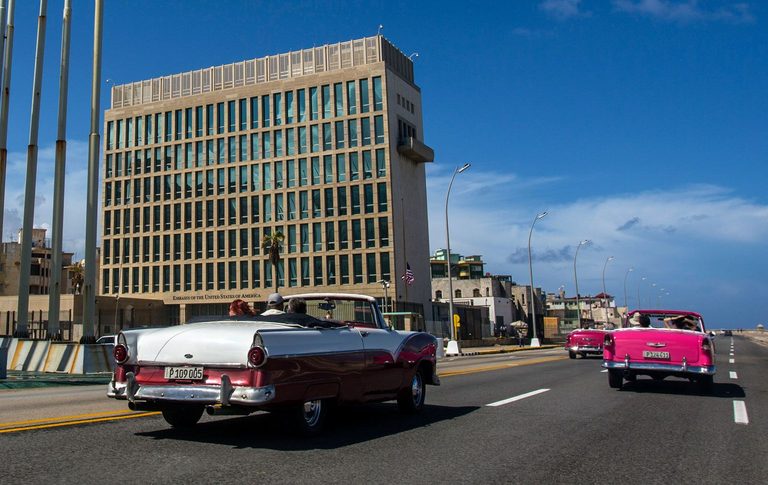
The mysterious illness first emerged in late 2016, when a cluster of US diplomats stationed in the Cuban capital of Havana began reporting symptoms consistent with head trauma, including vertigo and extreme headaches. Since then, there have been cases reported around the world. The intelligence community and the Defense Department have sought to understand if those officials were the victims of some kind of directed energy attack by a foreign government.
Reactions to the Rescission
Rep. Rick Crawford, Republican of Arkansas and the chairman of the House Intelligence Committee, said in a statement about the recall, ‘This is huge news for the AHI victim community, analytic integrity, and for the American people. These flawed, fraudulent, and manufactured Intelligence Community Assessments have caused significant harm to some of our nation’s bravest.’
On Thursday, President Donald Trump nominated Jay Clayton, the US attorney for the Southern District of New York, to replace Gabbard. The rescission of the two assessments may spawn a new investigative effort to understand what the government officially terms ‘anomalous health incidents,’ or AHI.
Original reporting: El Paso News (HLL/CB) — read the source article.