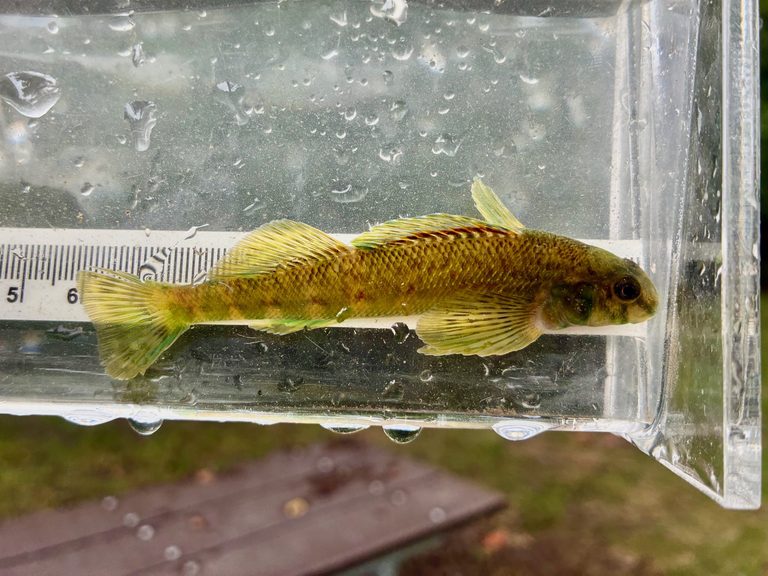
In a remarkable milestone for local conservation, Friends of the Rouge announced the discovery of a breeding population of the greenside darter in the lower Rouge River. The fish, which vanished from the watershed after 1924, was captured during the organization’s final survey of the 2026 season.
Survey Finds Unexpected Treasure
On September 17, volunteers waded through the river at Fordfield Park in Dearborn, using a seine net to sample the waterway’s biodiversity. When the net was hauled, the team initially thought they had caught a common Johnny darter, but the vivid coloration and distinctive markings revealed a greenside darter.
“We all were, yeah, beyond thrilled,” said Lauren Eaton, monitoring manager for Friends of the Rouge. “We didn’t believe it at first, but we ended up catching six that day, including what we think are adults, which means there’s a breeding population here.”
Decades of Restoration Paying Off
The greenside darter is highly sensitive to pollution, and its disappearance in the early 20th century was linked to the industrialization and contamination of the Rouge River. Since the passage of the Clean Water Act, the nonprofit, together with state and federal partners, has invested hundreds of millions of dollars in habitat restoration.
Eaton likened the watershed to a bathtub, noting that sediment and pollutants accumulate downstream. “It’s really, again, decades‑long, millions of dollars of work that has gone into restoring the habitat enough to see this fish that we haven’t seen in a hundred years,” she explained.
Why the Discovery Matters
The find underscores the effectiveness of sustained environmental stewardship. Prior to this survey, the highest recorded fish diversity at a single site for the year was 19 species; the September 17 effort documented 21 species, setting a new benchmark for the organization.
Friends of the Rouge believes the darters may have migrated upstream from the Detroit River, taking advantage of improved water quality along the extensive network of tributaries that stretch from Troy and Canton to the Detroit River.
Looking Ahead
While the 2026 field season is winding down, the organization plans to continue monitoring the river’s health and advocating for policies that protect water quality. The resurgence of the greenside darter offers a hopeful sign that, with continued vigilance, other once‑lost species may also return.
“This has to be a banner year, right, to see a fish that we haven’t seen in a hundred years. So you can’t really top that in our previous records,” Eaton said, emphasizing the importance of community involvement and long‑term commitment to environmental restoration.
Original reporting: Warren | FOX 2 Detroit — read the source article.