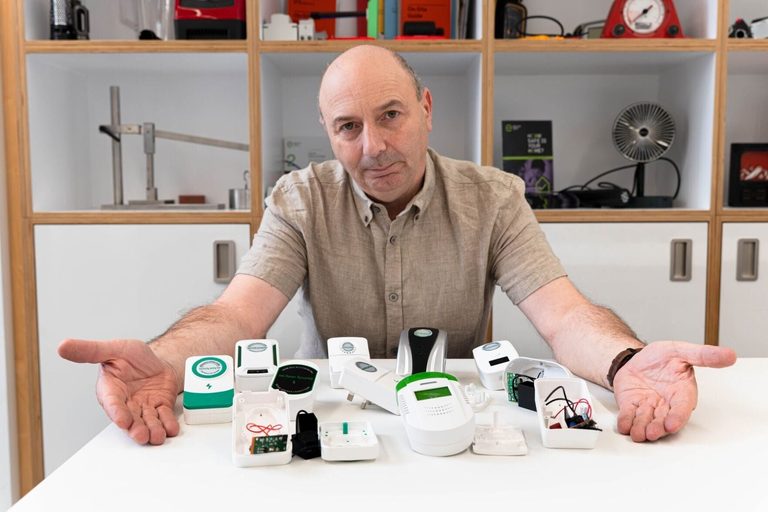
Electrical Safety First, a UK consumer‑safety charity, has confirmed that every one of the 13 “energy‑saving” gadgets it purchased from TikTok Shop, Amazon Marketplace and AliExpress failed basic safety tests. The devices, marketed as ways to cut electricity bills, actually use power without delivering any savings and, in two cases, exploded during testing.
Testing reveals dangerous flaws
Engineer Giuseppe Capanna explained that the plug pins on all 13 units did not meet required dimensional or mechanical strength standards, meaning they could snap inside a socket. Inside, most devices consisted of a tiny circuit board that simply lit an LED, consuming electricity without providing any benefit. Some units appeared to contain a capacitor or filter, but these components were either fake or not connected to the circuit.
Several devices lacked any fuse or protective device, and those that did contain a glass fuse failed to meet safety requirements. When subjected to a short‑circuit test in an external specialist laboratory, two of the gadgets violently exploded, hurling hot metal fragments into the air. Such a fault could spark a fire within seconds, especially if the product is near curtains, furniture or other flammable materials.
Marketplace responses
TikTok says the flagged listings have been removed from TikTok Shop and buyers have been notified with safety guidance. A spokesperson noted that TikTok maintains a Product Safety and Recall Policy and works with regulators such as the Office of Product Safety.
AliExpress issued a statement that it has removed the five identified listings and is contacting affected customers to initiate a recall. The platform added that it is reviewing the broader product category for enhanced controls.
Amazon also confirmed removal of the items and cited its Seller Guidelines, which prohibit the sale of unsafe products.
Calls for stronger regulation
The charity’s investigation comes as the UK government considers new legal duties that would require online marketplaces to prevent unsafe products from being listed. Currently, these platforms are not legally recognized as part of the traditional supply chain and bear no direct responsibility for product safety.
Capanna urged lawmakers to seize the opportunity to enact “bold and robust, legally enforceable measures” that hold platforms accountable. He warned that without urgent action, dangerous products will continue to endanger consumers.
Why this matters for households
With energy bills projected to hit a three‑year high as wholesale prices rise, families are under increasing financial pressure. Unscrupulous sellers are exploiting this vulnerability by promoting bogus products that promise savings but deliver cost and risk. Consumers deserve products that are safe, effective and honest about their performance.
Electrical Safety First’s findings underscore the need for vigilant consumer awareness and stronger oversight of online marketplaces to protect families from hazardous and wasteful gadgets.
Original reporting: KTBS 3 (Shreveport) — read the source article.