Fresno County supervisors voted Thursday to approve CEMEX’s request to blast a 300‑foot‑deep gravel mine into the San Joaquin Riverbank, a move that could affect a $1 billion taxpayer‑funded salmon‑restoration project. The decision matters to residents because the river corridor supports local recreation, agriculture and a major habitat restoration effort.
According to KMJ, the vote was 3‑2. Supervisors Nathan Magsig, Buddy Mendes and Gary Bredefeld voted in favor, while Luis Chavez and Brian Pacheco opposed the project. The board’s approval overturns an earlier 3‑3 deadlock by the Fresno County Planning Commission in October.
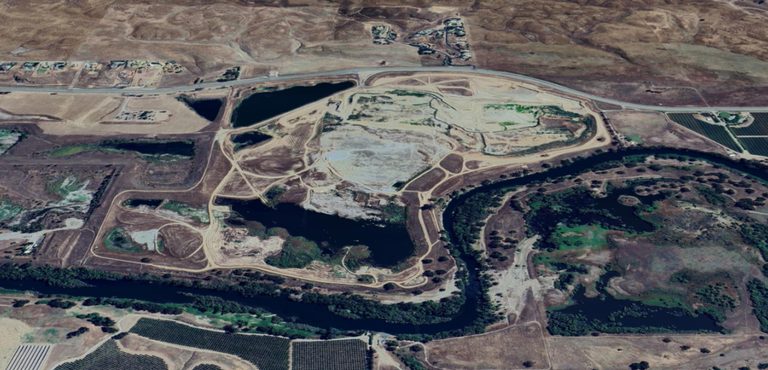
Fresnoland reported that CEMEX’s plan calls for a pit nearly the width of the Golden Gate Bridge, with only seven inches of freeboard separating the excavation from the river. The company’s own flood analysis shows that a high‑flow event could bring river water within inches of the berms, creating a “real red flag” for potential breach, according to UC‑Berkeley fluvial geomorphologist Mathias Kondolf.
State officials warned of “catastrophic” risk. Julie Vance, regional manager for the California Department of Fish and Wildlife, told supervisors that a breach could cause “irreparable impacts” to the river, jeopardizing the salmon run and long‑term water deliveries for farmers. The Bureau of Reclamation echoed these concerns, noting that a breach could affect fisheries and water contracts downstream.
Environmental experts highlighted past failures. Kondolf noted two historic breaches on the San Joaquin River—one in the 1990s and another in 2005—each costing taxpayers millions to seal. The 2005 breach alone cost $4.5 million, paid by the San Joaquin River Conservancy, a taxpayer‑funded entity.
Public comment was limited to two hours, with roughly 120 speakers. Residents near the site warned that home values could drop up to 30 percent, while workers emphasized job stability, saying CEMEX has provided “family stability” for decades.
CEMEX argues the project will create jobs and generate revenue. The company offered the county a fee of five cents per ton of material, roughly $150,000 a year, and later negotiated an additional $150,000 annually for road improvements, according to Fresnoland. The total application package spanned nearly 11,000 pages of reports and appendices.
While the board’s approval moves the project forward, the lack of a clear remediation fund or stronger safeguards leaves the $1 billion salmon‑restoration investment vulnerable, a point stressed by both state agencies and local conservation groups.
Sources: fresnoland.org, fresnoland.org, kmjnow.com, abc30.com, abc30.com