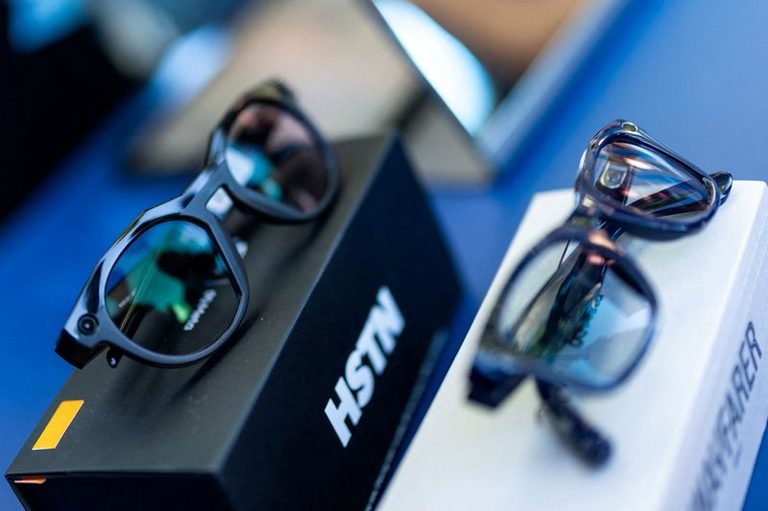
Paris prosecutors announced a criminal probe into alleged sexual harassment involving AI‑enabled smart glasses. The investigation follows reports of a social‑media trend where users film women on the street without consent and post the footage online.
Regulatory scrutiny expands
France’s data‑protection authority, the CNIL, said it has received fewer than ten complaints about smart‑glasses being used in workplaces. The agency is also fielding inquiries from businesses that want guidance on whether the devices can be banned on their premises.
Meta, whose AI glasses dominate the market with roughly a 76% global share, said the company “built privacy into our AI glasses from the ground up” and pledged to keep strengthening protections as the technology evolves. EssilorLuxottica, the French‑Italian eyewear partner, declined to comment.
Legal framework and penalties
Under French law, recording a person’s image in a private setting without consent can result in up to one year in prison or a €45,000 fine. Enforcement is challenging, especially when recordings are quickly shared online.
CNIL’s head of economic affairs, Nacera Bekhat, warned that smart glasses pose “real challenges” for informing people they are being filmed and obtaining consent when required. A small light on the device’s frame indicates recording, but rights groups argue that the light alone does not constitute consent.
International response
Other countries are watching closely. Some UK cinemas have already banned smart glasses, and a German consumer group filed a criminal complaint against Meta and other manufacturers, citing privacy violations. Australia is considering a ban on camera‑equipped smart glasses in government workplaces for security reasons.
Experts say the burden of avoiding unwanted filming should not fall on potential victims. Inés Legendre of e‑Enfance noted that a visible light does not mean a person consents to being recorded or having their image distributed widely. Inés Girard of the feminist group Hubertine Auclert called for the tech industry to do more to prevent abuse, emphasizing that women, gender minorities, and those already exposed to violence bear the greatest risk.
Original reporting: Appleton, WI News Feed (HLL/CB) — read the source article.