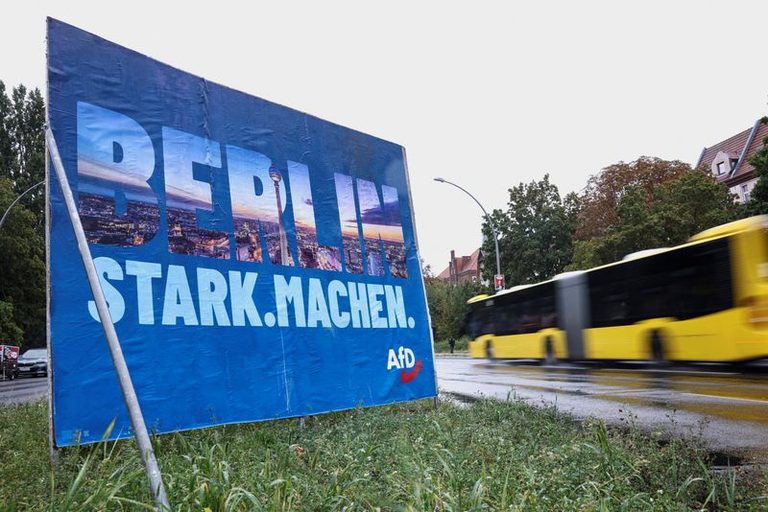


Berlin residents are heading to the polls on September 20 with housing affordability at the top of their minds. A recent poll shows the Left Party at 23%, the CDU at 21% and the AfD around 17%, while the SPD and Greens trail behind.
Housing shortage drives the campaign
The city needs an estimated 211,000 additional homes by 2040, and advertised rents have nearly doubled since 2014. With 85% of households renting, the pressure on tenants is intense. Candidates are promising solutions ranging from new construction to rent freezes.
Tempelhofer Feld becomes a flashpoint
The former Tempelhof airport, now a sprawling park, epitomizes the clash between development and green space. The park, almost twice the size of London’s Hyde Park, was voted in a 2014 referendum to remain largely undeveloped. The CDU, FDP and AfD support limited housing projects on parts of the site, while the SPD, Greens and Left Party oppose any construction there, urging development on other parcels.
“The referendum was 12 years ago, the need was nowhere near as great then as it is today,” said Stefan Evers, the Berlin CDU’s lead candidate. In contrast, Anita Moeller of the 100% Tempelhofer Feld initiative warned that the open space is essential social and ecological infrastructure.
Party platforms on rent control
The Left Party proposes a one‑year rent freeze followed by a cap on increases at 1%, forced reductions for rents 20% above the local average, limits on holiday rentals in apartment blocks, and priority for vacant units to those with a right to social housing.
The AfD links the housing crisis to immigration, arguing for stricter controls. Both the AfD and the Left have roughly doubled their support since the 2023 Berlin election, reflecting voter frustration.
Economic backdrop
Berlin’s economy has outpaced the rest of Germany, driven by a vibrant services sector that accounts for nearly 90% of output. The city is Germany’s startup hub, with over 600 new companies founded in 2025, including e‑commerce giant Zalando and fintech N26.
However, rapid growth has pushed rents higher. Residents report paying €1,500 ($1,720) or more for a one‑ or two‑room apartment. “Who on earth is supposed to be able to afford that?” asked demonstrator Mareen Harant during a protest on September 5.
Political turbulence
The ruling CDU faces internal challenges after Mayor Kai Wegner stepped down as lead candidate following criticism of his handling of a January power outage. The SPD’s lead candidate, Steffen Krach, is under investigation for a health‑sector tender process, though he denies any wrongdoing.
“Growth also has a downside: prices rise and, above all, land prices rise, so space becomes scarce,” noted Martin Gornig, a researcher at the German Institute for Economic Research.
Impact on local culture
Even Berlin’s famed nightlife feels the squeeze. Club manager Jakob Turtur said his venue had to relocate because rent became unaffordable.
As Berliners prepare to vote, the election will test Chancellor Friedrich Merz’s coalition and signal how the city will balance the need for more homes with preserving its cherished public spaces.
Original reporting: Appleton, WI News Feed (HLL/CB) — read the source article.