Fort Worth council member Deborah Peoples recently read to a group of children and was impressed by their intellect and aspirations. This experience highlights the importance of the city’s literacy initiative, a partnership among the city’s library, park and recreation departments, community centers, and philanthropic and nonprofit partners.
Literacy Initiative Details
The effort aims to keep children reading during the summer, prevent learning loss, screen students who may be at risk for dyslexia, and connect families with support before children return to school. The program has been ongoing since 2021 and includes Literacy Roundup, summer day camp, the Mayor’s Summer Reading Challenge, and after-school programming.
Monique Hill, assistant director of the city’s park and recreation department, explained that the city’s approach is not to make the camp feel like school. Instead, children participate in activities such as reading, acting out stories, playing literacy-based games, and other exercises that build reading skills. The goal is to sneak education and literacy in.
Partnerships and Funding
The initiative has grown through partnerships with Literacy Roundup, the Rainwater Charitable Foundation, the Sid W. Richardson Foundation, Rev Partnership, and others. The Rainwater Charitable Foundation awarded over $338,000 to expand the city’s literacy work, which will support literacy support specialists, additional oversight across sites, incentives for ‘literacy champions,’ and equipment tied to the initiative.
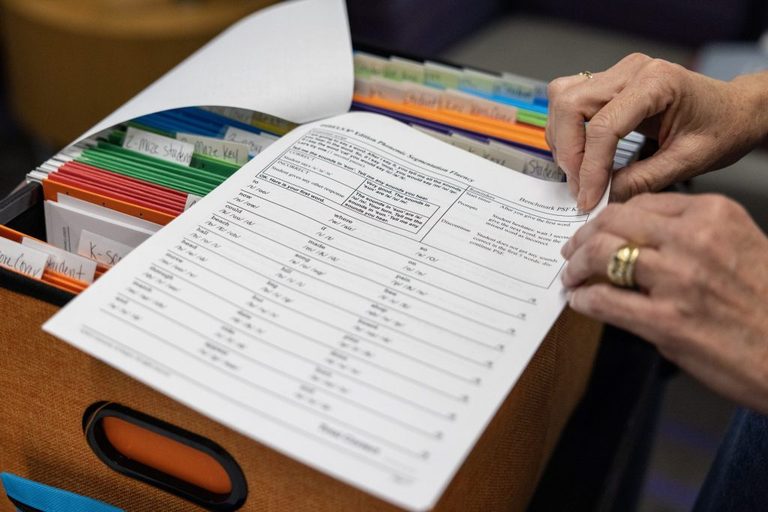
Literacy Roundup, a dyslexia screening and advocacy program, launched as a pilot in 2025. Volunteers are trained to administer DIBELS screenings, which are used to identify children who may be at risk for dyslexia. This summer, Literacy Roundup grew from six community centers in 2025 to 13, with screenings also offered at five Fort Worth Public Library locations.
Impact and Expansion
Marley Kerr, a college student working with Literacy Roundup, shared that the program had already screened 200 students this year and identified 64 as at-risk for dyslexia. The program is on track to nearly double last year’s number of screenings. Kerr, who was diagnosed with dyslexia at age 7, emphasized the importance of early identification and support.
Council members discussed the need to expand the program, particularly in north Fort Worth, and to improve support for families after a child is screened. Caroline James, with Literacy Roundup, explained that advocates meet with families, explain their rights, and accompany parents to school meetings when needed.
Original reporting: Fort Worth Report — read the source article.