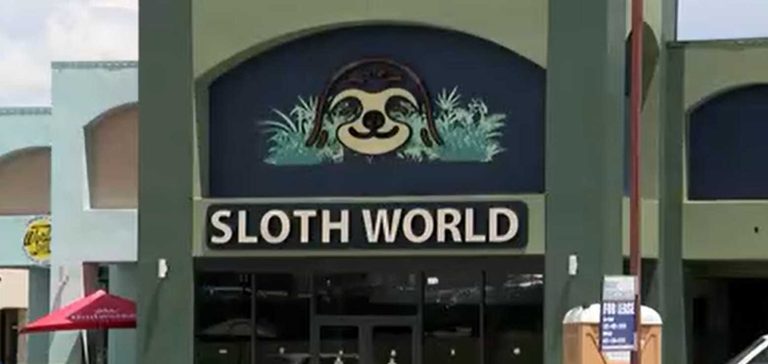
Benjamin Agresta, who once led Sloth World in Orlando, has taken a proactive step to protect the state’s beloved sloths. In a letter addressed to the Florida Fish and Wildlife Conservation Commission (FWC), he outlines ten specific recommendations aimed at improving the care of sloths kept in captivity after a recent outbreak of a fatal virus claimed the lives of several animals.
Key recommendations focus on transparency and animal welfare
Agresta’s proposal calls for mandatory reporting of any sloth death within twelve hours, requiring owners to submit veterinary records and necropsy results. He also urges the FWC to conduct inspections of facilities before they receive a license to house wildlife, ensuring that standards are met from the outset.
Additional measures include public disclosure of the origin of zoo animals, a ban on members of the public touching or feeding sloths during “sloth encounters,” and a prohibition on transporting sloths across Florida for public shows or tours. Agresta argues that travel can cause excessive stress, which may have contributed to the recent virus spread.
State investigations found no negligence
Two separate FWC investigations, together with a review by the Orange County Sheriff’s Office, concluded that Sloth World employees and managers did everything possible for the animals. The virus, however, could not be identified or treated before necropsy, highlighting the need for more robust preventive measures.
Agresta also requests that the results of any state‑performed necropsies be made public, especially when the animal originated from an out‑of‑state facility. This level of transparency would allow wildlife officials, researchers, and the public to better understand the risks and respond appropriately.
Public can weigh in on proposed rules
Florida is currently drafting new rules for sloth care, and the FWC has scheduled a virtual public meeting for Wednesday at 5:30 p.m. Residents are encouraged to participate and share their perspectives on the proposed regulations.
By seeking clearer guidelines and greater accountability, Agresta’s recommendations aim to safeguard the health of sloths while preserving the educational and family‑friendly experiences that these animals provide to Floridians. The proposed changes reflect a broader commitment to responsible wildlife stewardship, a principle that aligns with the values of many families and faith‑based communities across the state.
Why stronger rules matter for families and communities
Families who visit wildlife attractions often do so to teach children about stewardship and the wonder of God’s creation. Ensuring that sloths receive proper care and that any health threats are swiftly reported helps maintain safe, educational environments for young learners. Moreover, transparent reporting builds trust between wildlife facilities and the communities they serve.
As the FWC prepares to consider these recommendations, the state has an opportunity to set a national example for humane, science‑based wildlife regulation that protects both animals and the families who cherish them.
Original reporting: WESH Orlando — read the source article.