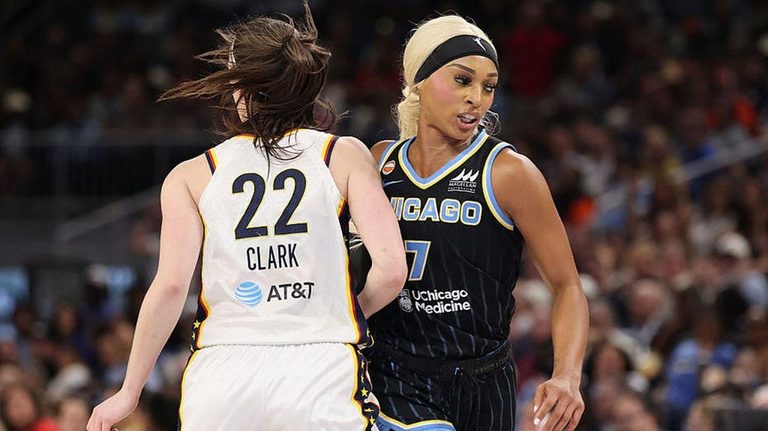
Former ESPN analyst Cindy Brunson sparked controversy on social media this week after she posted a series of comments that appeared to downplay the accomplishments of WNBA star Caitlin Clark. Brunson, who has covered the league for nearly three decades, used the platform Threads to argue that Clark’s 37‑point, 10‑assist performance in a recent Fever victory over the Sky was not impressive because the game was not competitive.
Brunson’s remarks and the public response
In the post, Brunson wrote, “Miss me with that stat padding 37 points, on the floor up 20 w/ a minute to go BS. The 32 points in just 26 minutes was WAY more impressive from the ⭐ on the playoff team from the lone star state.” The comment was made while sharing a story about a Seattle‑Dallas game in which Clark did not play. After the post drew a flood of replies labeling her remarks as racist and transphobic, Brunson deleted the message and claimed she removed it because of the hostile comments.
Brunson’s criticism did not stop there. She later dismissed Clark’s fifth career 30‑point, 10‑assist game as a “small sample size,” even though Clark now holds more 30‑point, 10‑assist games than the rest of WNBA history combined. By contrast, Brunson praised other players’ performances—such as Paige Bueckers’ 22‑point, 11‑assist effort for the Dallas Wings—without questioning the competitiveness of those games.
Inconsistent standards across players
Observers noted a pattern in Brunson’s commentary: she frequently downplays Clark’s achievements while celebrating similar feats by other players. For example, when Angel Reese broke a long‑standing rebounding record, Brunson called the accomplishment “impressive” and did not invoke the “sample size” argument she used for Clark. Critics argue this double standard reveals a personal bias rather than an objective analysis of the sport.
The debate has also touched on broader issues within the WNBA, including discussions about “reverse DEI” and the role of white players in the league. Brunson previously posted that white WNBA players benefit from “reverse DEI,” a statement that added fuel to the fire surrounding her recent remarks about Clark.
Impact on credibility and fan reaction
Many fans and former colleagues expressed disappointment, suggesting that Brunson’s long‑standing credibility as a knowledgeable commentator is now in question. “Her coverage of Clark and DiJonai Carrington looks plainly personal,” one commentator wrote, noting that Brunson’s tone shifted from professional analysis to personal vendetta.
Supporters of Clark rallied on social media, defending the player’s record‑setting performances and calling out what they described as unfair treatment. The conversation quickly expanded beyond basketball, touching on themes of fairness, respect for athletes, and the responsibilities of media figures to maintain impartiality.
What this means for sports commentary
The incident underscores the challenges faced by veteran analysts when personal opinions intersect with public commentary. While passionate debate is a hallmark of sports fandom, the line between analysis and personal attack can become blurred, especially on platforms that encourage rapid, unfiltered responses.
For readers who follow the WNBA, the episode serves as a reminder to evaluate commentary critically and to consider the broader context of an athlete’s achievements rather than isolated game situations.
Original reporting: Fox News (HLL/CB) — read the source article.