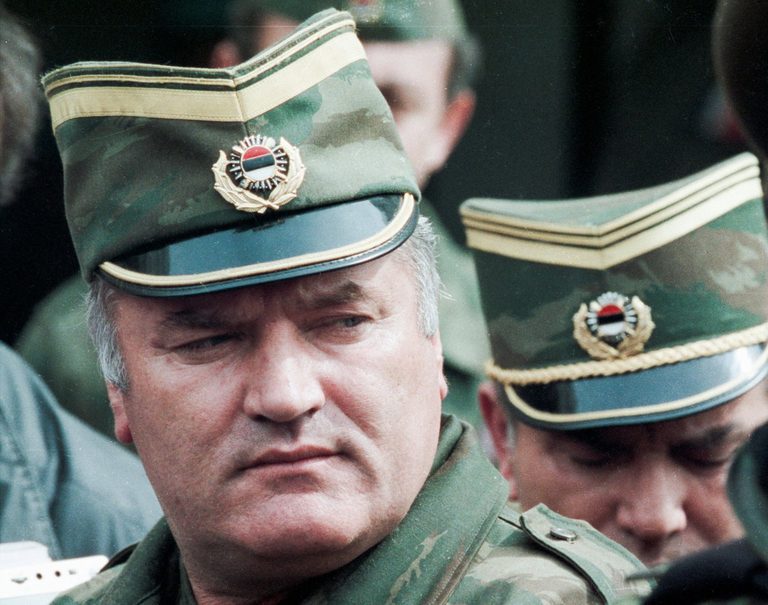
Ratko Mladić, the former Bosnian‑Serb general who led the campaign of ethnic cleansing that culminated in the 1995 Srebrenica massacre and the prolonged siege of Sarajevo, died on August 27, 2026 at the age of 84. The news was first reported by Serbian public broadcaster RTS and later confirmed by Reuters through Mladić’s own lawyer.
Conviction and imprisonment
In 2017, the International Criminal Tribunal for the former Yugoslavia (ICTY) found Mladić guilty of genocide, crimes against humanity, persecution, extermination, murder, terror, unlawful attacks on civilians and hostage‑taking. The tribunal described his actions as a systematic campaign to remove non‑Serb populations from large swaths of Bosnia and Herzegovina.
Following his conviction, Mladić was sentenced to life imprisonment and transferred to the United Nations Detention Unit in The Hague, where he has remained for more than a decade.
Humanitarian release request denied
Last week, Mladić’s legal team submitted a request for early release on humanitarian grounds, citing medical reports that his overall health had rapidly declined and warning that death could occur at any time. The UN detention authorities denied the request, stating that the criteria for compassionate release had not been met.
His lawyers argued that the denial ignored the seriousness of his medical condition, but UN officials emphasized the need to uphold the tribunal’s sentencing standards and the importance of justice for the victims and their families.
Reactions and legacy
The death of Mladić closes a chapter on one of the most infamous figures of the Balkan wars. Survivors of the Srebrenica massacre and families of those who perished during the siege have expressed a mixture of relief that a convicted war criminal has passed and lingering grief for the loss of loved ones.
Human rights groups reiterated that the conviction and continued imprisonment of Mladić served as a reminder of the international community’s commitment to prosecuting genocide and other atrocities. They also stressed that accountability must remain steadfast, regardless of the passage of time.
Historical context
The Bosnian war (1992‑1995) resulted in the deaths of an estimated 100,000 people and the displacement of millions. International courts, including the ICTY, were established to address the massive human‑rights violations that occurred during that conflict. Mladić’s trial was among the most high‑profile cases, symbolizing a broader effort to bring war‑time leaders to justice.
While Mladić’s death does not erase the suffering endured by victims, it does mark the end of his personal presence in the ongoing narrative of post‑war reconciliation and justice in the Balkans.
Original reporting: KRDO (Colorado Springs metro) — read the source article.