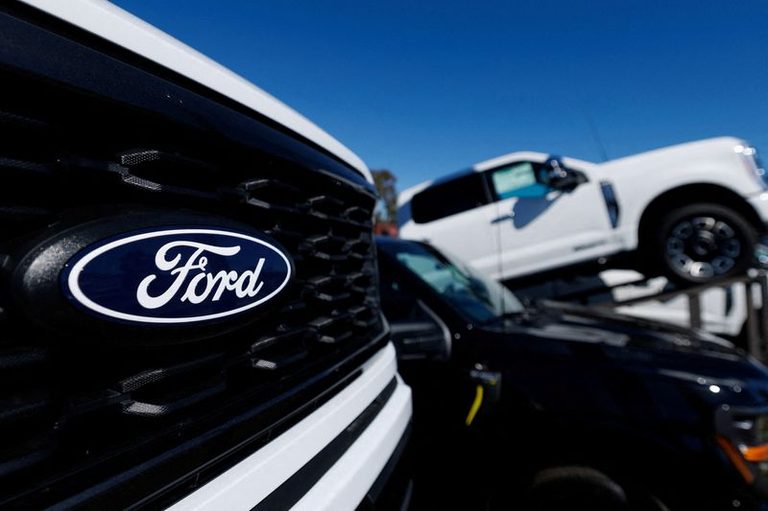
Detroit – At an Automotive News conference on Tuesday, Ford CEO Jim Farley warned that the United States must proceed with great caution when Chinese automakers seek to sell vehicles here. Farley said the experience of Europe, where Chinese imports are rapidly gaining market share, should serve as a clear example of what could happen if the U.S. does not set firm, strategic parameters.
Europe as a cautionary tale
“For European countries, it’s too late,” Farley said, noting that Chinese manufacturers have already begun to dominate segments of the European market. He highlighted the surge in Chinese auto exports – projected at roughly 12 million vehicles this year, up from about 3 million in 2022 – as evidence of a growing global export powerhouse.
Ford’s balanced approach
Farley emphasized that Ford will continue to partner with Chinese firms when the collaboration makes economic sense and fills gaps in the automaker’s expertise. He cited the existing partnership with battery maker CATL, which produces lower‑cost batteries at Ford’s Michigan plant, as a model of a capital‑efficient joint effort.
“We’re also going to compete with them directly,” Farley added. “They aren’t mutually exclusive.” This reflects Ford’s strategy of leveraging selective cooperation while maintaining a competitive stance in the U.S. market.
Government concerns and policy backdrop
Transportation Secretary Sean Duffy recently wrote to Farley expressing concern that Ford’s deals with Chinese companies could tie the automaker’s future to state‑backed enterprises in China. The letter underscores a broader policy discussion about protecting American manufacturing and technology from undue foreign influence.
Currently, the United States blocks Chinese‑made vehicle software and imposes tariffs exceeding 100 percent on Chinese‑built cars. While these measures have kept most Chinese vehicles off U.S. roads, industry leaders worry that the barriers may erode over time. Lobbyists representing automakers, dealers, and parts suppliers have urged lawmakers to consider a permanent ban to safeguard domestic interests.
Implications for American workers and families
For the traditional families that form the backbone of the nation’s industrial base, Farley’s call for prudence aligns with the need to protect good‑paying manufacturing jobs. By ensuring that any Chinese involvement is limited to areas where Ford lacks expertise, the company aims to keep critical production and engineering work firmly rooted in the United States.
The conversation also touches on broader constitutional principles of economic liberty and the right of American businesses to compete on a level playing field. A measured approach that balances cooperation with competition can help preserve the nation’s industrial sovereignty while still allowing American consumers access to affordable, high‑quality vehicles.
Looking ahead
As Chinese automakers continue to expand their global footprint, Farley’s remarks signal that the Trump administration’s trade and technology policies will remain vigilant. The administration has repeatedly stressed the importance of protecting American innovation and jobs from foreign state‑backed entities.
Ford’s strategy of selective partnership, combined with a clear stance from U.S. officials, suggests a future where American auto manufacturers can remain competitive without compromising national interests. The coming months will likely see further dialogue between industry leaders and policymakers as they work to define the rules of engagement for Chinese entrants into the U.S. market.
Original reporting: Appleton, WI News Feed (HLL/CB) — read the source article.