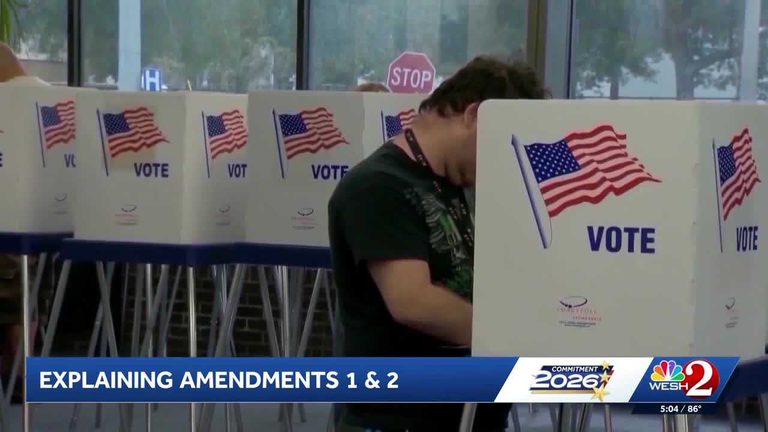
Florida voters will decide two constitutional amendments on the November ballot that could reshape the state’s fiscal safety net and agricultural tax policy. Amendment 1 proposes to expand the Budget Stabilization Fund – the state’s “rainy‑day” reserve – while Amendment 2 would exempt tangible personal property used on farms from ad valorem taxation.
What Amendment 1 Would Change
Since 1992, Floridians have funded a Budget Stabilization Fund that can be tapped during hurricanes, economic downturns, or other emergencies. The fund is currently capped at roughly $5 billion. Amendment 1 would raise the savings cap from 10% to 25% of the prior year’s general fund revenue and authorize lawmakers to inject up to $750 million each year until the new cap is reached.
Supporters argue the higher cap will protect the state against future crises and reduce the need for sudden tax hikes. Governor Ron DeSantis, a Republican, has publicly criticized the proposal, calling it “foolish” and noting that Florida already enjoys record surpluses. “We already have a maxed‑out rainy‑day fund and have run the largest surpluses in state history,” he posted on X.
What Amendment 2 Would Change
Amendment 2 targets the agricultural sector. A “yes” vote would exempt tangible personal property on agricultural land – such as equipment used for growing crops or for agritourism – from ad valorem taxation. Farm owners like Hank Scott of Long and Scott Farms in Mount Dora say the measure would help them reinvest in new equipment and technology. “It would be very helpful. Anything that we can do to save a little money and put it back into the farm is welcome,” Scott told WESH 2 News.
Opposition and Criticism
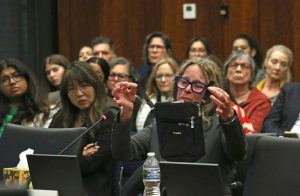
The League of Women Voters, a nonpartisan civic organization, opposes both amendments, arguing that budget and tax policy should not be locked into the state constitution. Florida Education Association President Andrew Spar also voiced concerns, noting that the state already faces high insurance costs, housing affordability challenges, and fuel price pressures. Spar highlighted that public‑school funding in Florida ranks 43rd nationally, suggesting that resources might be better directed toward education rather than expanding the rainy‑day fund.
Context and Impact
Florida’s other emergency fund, the Florida Emergency Preparedness and Response Fund, was created after Hurricane Ian in 2022 and has been used to support the governor’s immigration enforcement efforts, including the South Florida detention facility known as “Alligator Alcatraz.” Critics say that tying the rainy‑day fund to such initiatives could blur the line between emergency preparedness and partisan policy.
Both amendments will appear on the ballot alongside other statewide measures, giving voters a clear choice on how Florida manages its finances and supports its agricultural community. Voters should review the full text of each amendment and consider the fiscal arguments presented by both supporters and opponents before casting their ballots.
Original reporting: WESH Orlando — read the source article.