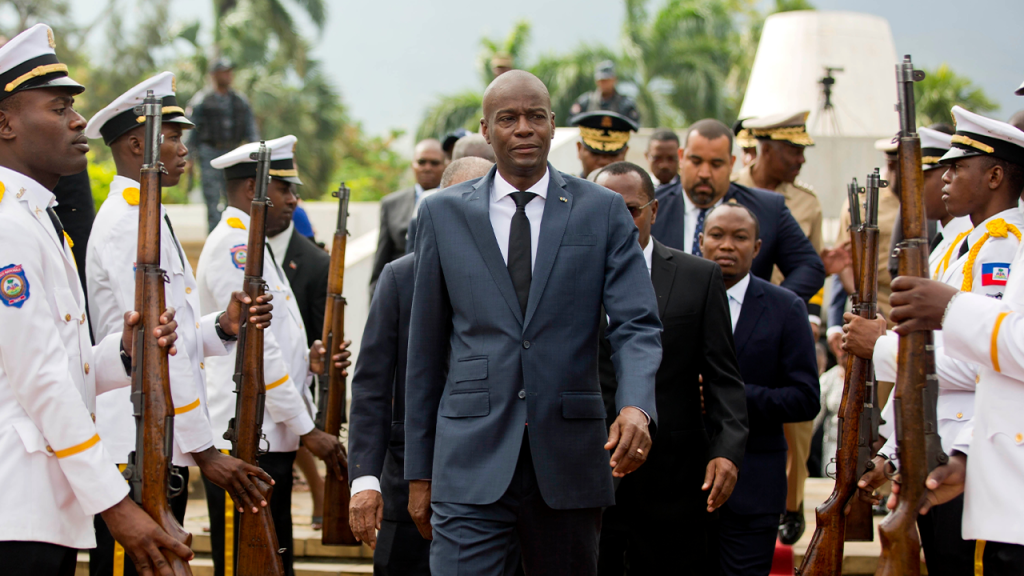
Four men were convicted by a federal jury in Florida for their roles in the 2021 assassination of Haitian President Jovenel Moïse: Arcangel Pretel Ortiz, Antonio Intriago, Walter Veintemilla and James Solages. The case centers on South Florida as the alleged staging and financing ground for the plot that sent shockwaves through Port-au-Prince and left Martine Moïse wounded. The convictions cover conspiracy to kill or kidnap, material support and violations of the U.S. Neutrality Act, and the defendants now face the prospect of life behind bars.
The verdicts spell out how this operation used U.S. soil as its backbone, with South Florida cited repeatedly as the hub for planning and financing. Ortiz and Intriago allegedly ran a Miami-area security firm called Counter Terrorist Unit, while Veintemilla ran a South Florida capital lending group that prosecutors say fed money into the scheme. Federal investigators presented the courtroom narrative that these pieces fit together into a coordinated plot aimed at a sitting head of state.
Prosecutors say the plotters intended to remove Moïse and install Christian Sanon, a dual Haitian-American citizen, as a new leader who would hand back financial rewards to those who made the takeover possible. That kind of transactional politics turned a violent political hit into a financial playbook, according to the evidence shown at trial. The accusations underline how transnational actors can weaponize American business and security infrastructure for foreign intrigues.
Martine Moïse testified about the horror of the July night when roughly two dozen foreign mercenaries, mostly Colombians, stormed the presidential residence near Port-au-Prince. Her testimony was raw and direct, delivered through a Creole interpreter, and it included the chilling last words her husband spoke as gunfire erupted: “Honey, we are dead.” She was wounded in the attack and later evacuated to the United States for emergency medical care.
Defense lawyers told jurors their clients were pawns in a larger domestic power struggle and believed they were carrying out a lawful Haitian arrest warrant to “liberate” the country from a president accused of overstaying his term. That argument tried to frame the operation as an internal coup with plausible legal cover rather than a cold-blooded assassination. Jurors, weighing witness testimony and documentary evidence, rejected that narrative and returned guilty verdicts.
These Florida convictions join a string of related outcomes in the U.S., where at least five others have pleaded guilty and received life sentences for roles tied to the same killing. Back in Haiti, about 20 people, including 17 Colombian soldiers, face formal charges as local authorities pursue accountability. The split between U.S. prosecutions and Haitian indictments shows how this crime crossed borders and legal systems in ways that will complicate justice for years.
From a law and order perspective, this case exposes glaring vulnerabilities: private security firms and financier networks operating in South Florida allegedly became the logistical arm of a plot to topple a foreign leader. The federal jury system stepped in where local systems could not, and that matters. If America is serious about preventing its territory from being used as a staging ground for international violence, regulators and prosecutors should follow the evidence and tighten oversight where needed.
The fallout is already reverberating in Haiti, where gang violence has ballooned and international staff have been warned to stay off the streets amid mounting instability. U.S. involvement in prosecutions and in medical evacuations highlights the complex role America plays when foreign chaos touches down on our shores. The courts will now determine penalties, and the broader conversation has to include how to stop criminals from turning safe harbors into staging areas for violent plots.