A Colorado man, Caesar Lorenzo Wilson, has been sentenced to 224 years after a jury convicted him in the brutal 2024 killing of University of Colorado Colorado Springs professor Haleh Abghari in her Colorado Springs home; the case drew attention for Wilson’s courtroom defiance, a judge’s rare order to bring him in “by any means necessary,” and statements from District Attorney Michael J. Allen and Abghari’s family including her sister Niloofar Abghari.
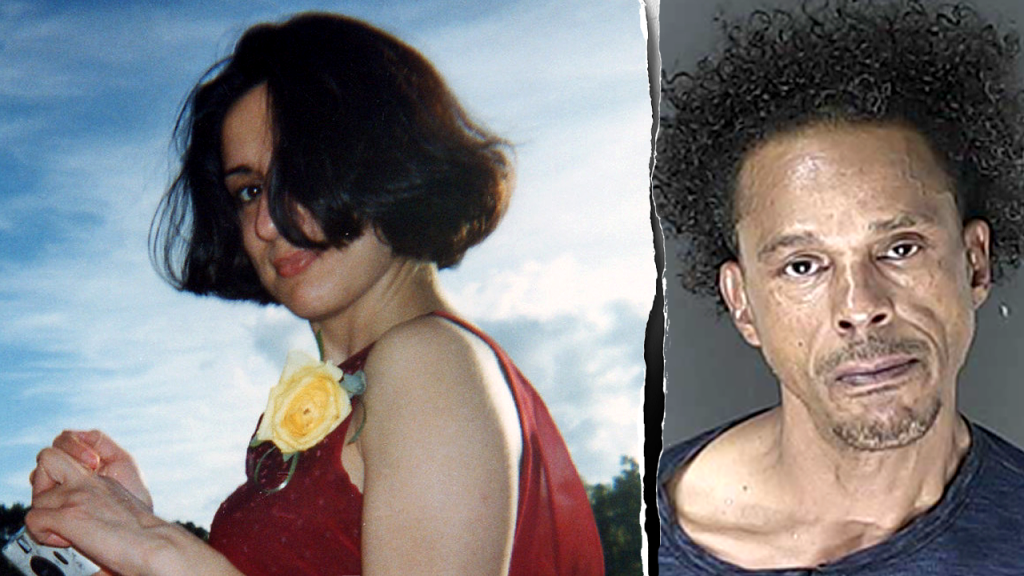
The sentence handed down to Caesar Lorenzo Wilson closes a violent chapter that began on August 7, 2024, when Colorado Springs police found Haleh Abghari stabbed to death at a home on Caddy Point. Authorities say the intruder entered through an open garage door intending to steal, but the encounter escalated into a lethal struggle that ended with Abghari fatally wounded and her car taken. Jurors later convicted Wilson of multiple counts including second-degree murder and aggravated robbery, and labeled him a habitual offender which pushed the punishment to 224 years behind bars.
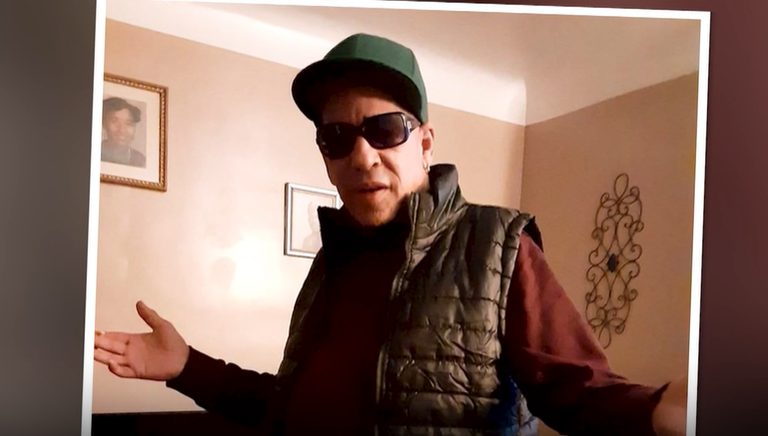
Courtroom behavior in this case kept attention fixed on the defendant as much as on the crime. Wilson initially refused to be transported from jail to his sentencing hearing, prompting a judge to sign a rare warrant authorizing authorities to bring him in “by any means necessary.” When he did appear, he showed little sign of remorse and at one point asked his attorneys, “Do I have to hear this?” which underscored his defiant stance throughout the proceedings.
Prosecutors described chilling comments captured in a recorded jail call, where Wilson allegedly told his mother he would bring Abghari back to life and kill her again because he thought he had been treated unfairly. Those remarks were presented at trial as evidence of an attitude that prosecutors said demonstrated a complete disregard for human life. A former student of Abghari’s, Tiana Longmire, called those alleged comments “mind-boggling,” and said they revealed what “true evil” looked like to her.
The investigation that followed the killing involved work across state lines after Wilson vanished for months. He was ultimately located in another state under a different name, held there on unrelated charges, and then extradited back to Colorado to face the murder case. The timeline and the maneuvering around his capture were used at trial to show consciousness of guilt and the seriousness of the offenses.
District Attorney Michael J. Allen spoke bluntly about the impact of the crime and the sentence imposed. “The violence perpetrated by the defendant against Haleh Abghari, an innocent woman alone in her own home, deserved the harsh sentence issued today in court,” he said, calling the loss devastating for Abghari’s family and for the UCCS community she helped shape. Allen also noted the sentence was the result of hard work by investigators, prosecutors and jurors who followed the evidence to its conclusion when he added, “We are grateful to see a just outcome in this case… and to the jurors who listened to difficult evidence and delivered guilty verdicts on all charges.”
The designation of Wilson as a habitual offender played a central role in the length of his punishment. That status, reflecting a lengthy criminal history, allowed the court to impose a far stiffer sentence than a standard murder conviction would carry. Prosecutors argued the habitual offender finding matched the gravity of the crime and the danger Wilson posed to the public.
For Haleh Abghari’s family and friends the legal victory offered very little comfort in the face of loss. Her sister, Niloofar Abghari, said the sentence provided “little solace” and described Haleh as the most important person in her life. The family’s grief was portrayed as ongoing and profound, with relatives and former colleagues describing a woman who put others first and maintained deep connections across the country and around the world.
A fundraiser created after Abghari’s death painted a picture of a devoted daughter and sister who called her parents every night and had visited them just weeks before she was killed. The fundraiser’s message called the act senseless, saying, “This senseless act leaves a gaping hole in our hearts,” and it added that she “took on the burdens of others in her ongoing quest to make the world a better place.” Those words framed the human cost behind the trial’s testimony and evidence.
The community response to the verdict and sentencing reflected a mix of relief and sorrow, with many focused on the need for safety and justice. University colleagues mourned a longtime faculty member whose work and presence mattered to students and peers alike. While the court closed one legal matter, the emotional and social ripples of the crime continued to affect those who knew Abghari personally and professionally.