Florida’s public‑health and mosquito‑control agencies are sounding the alarm on dengue fever, a mosquito‑borne viral illness that has surged in recent weeks. As of Sept. 1, the state recorded 41 locally acquired cases, including 33 in the Tampa Bay region. Officials say the numbers are expected to rise, prompting intensified mosquito‑control efforts throughout the state.
Local numbers and county alerts
The Florida Mosquito Control Association (FMCA) reported confirmed cases in four counties: 30 in Hillsborough County, seven in Miami‑Dade County, three in Pinellas County, and one in Palm Beach County. Both Hillsborough and Pinellas counties are now under mosquito‑borne illness alerts issued by the Florida Department of Health.
What dengue fever looks like
According to the Centers for Disease Control and Prevention (CDC), dengue fever can cause high fever, severe aches, nausea, rash, and, in rare instances, life‑threatening complications. Most infected individuals recover within one to two weeks, but a small percentage develop severe dengue, which may lead to dangerous bleeding, organ failure, or shock.
Why Florida is seeing more cases
Florida’s warm, humid climate creates ideal breeding grounds for the Aedes aegypti mosquito, the primary vector for dengue. The mosquito lays eggs in any container that holds standing water—buckets, plant saucers, tires, discarded toys, and similar items. When an infected person is bitten, the mosquito can spread the virus to others in the surrounding community.
Statewide trends
Nationally, the CDC reported a record 3,798 dengue cases in 2024, a 359 % increase over the 2010‑2023 average. While 97 % of those cases were travel‑associated, about 3 % were locally acquired. Florida accounted for the most domestic cases, with 1,044 reported in 2024, including 85 locally acquired infections across ten counties.
Response from health officials
Pinellas County Mosquito Control Director Alissa Berro emphasized that “dengue does not stop at county lines.” She explained that infected travelers can introduce the virus to new neighborhoods, where local mosquitoes then transmit it to residents. As cases rise, the risk of additional local transmission grows.
Mosquito‑control crews are increasing both aerial and ground treatments in areas showing dengue activity. They are also conducting inspections of private properties to locate and eliminate potential breeding sites. The FMCA urges residents to empty or cover any standing water around their homes and to follow the “three Ds”: Drain containers, Dispose of unused items that collect water, and Defend homes with screens and repellents.
What residents can do
Florida residents can protect themselves and their families by:
- Removing standing water from buckets, flower pots, and other containers.
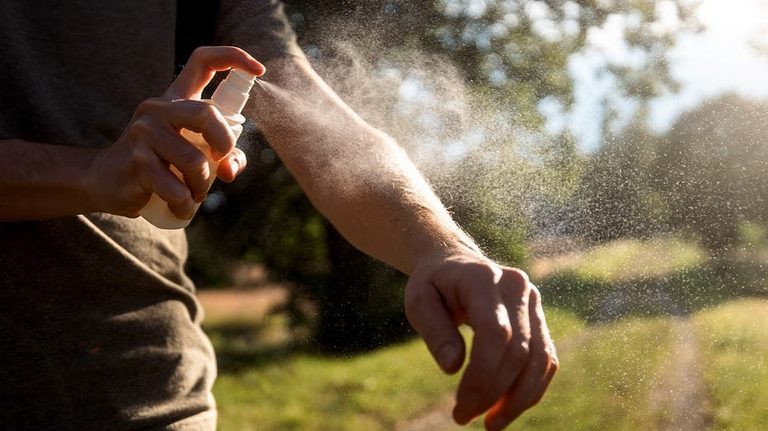
- Using EPA‑registered insect repellents on exposed skin.
- Installing or repairing window and door screens.
- Seeking prompt medical care if fever or severe symptoms develop after a mosquito bite.
Health officials remind the public that most dengue infections are mild, but severe cases require immediate medical attention. Warning signs include intense stomach pain, persistent vomiting, unusual bleeding or bruising, difficulty breathing, extreme fatigue, or sudden restlessness.
Looking ahead
With the summer heat persisting, officials expect mosquito activity to remain high. Continued public cooperation with mosquito‑control measures and personal protection steps will be essential to curb the spread of dengue fever throughout Florida.
Original reporting: Fox News (HLL/CB) — read the source article.