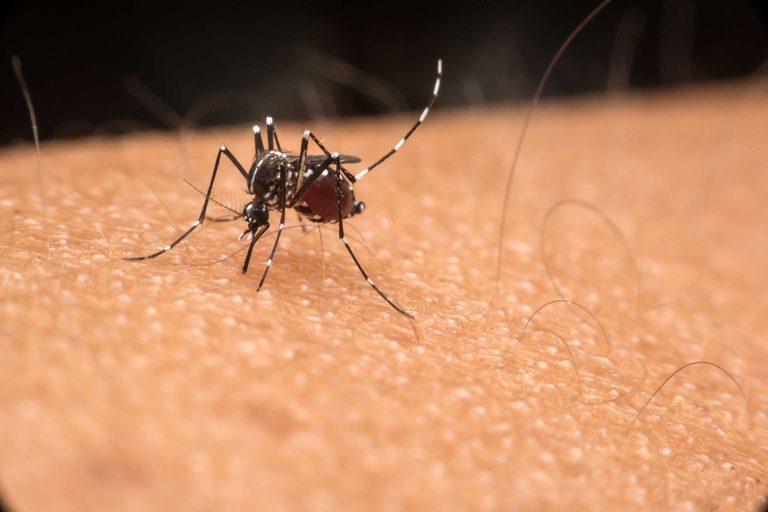
Florida health officials are sounding the alarm as dengue fever cases continue to rise within the state. The Florida Department of Health confirmed that out of more than 330 reported cases this year, 152 were acquired locally, most of them clustered in the area north of Tampa.
Historical rarity and current concern
“We have not seen this for close to over 100 years, almost,” said Dr. Moti Ramgopal, an infectious‑diseases specialist at Florida Coast Medical Center. “It is very concerning, very alarming, and we need to be very careful about how we approach this.” The physician emphasized that dengue, traditionally linked to travel in the Caribbean and Latin America, is now spreading within Florida communities.
Symptoms and severity
Dr. Ramgopal explained that early signs of dengue include body aches, flu‑like symptoms, and headaches within two to three days of infection. In severe cases, the disease can progress to dengue hemorrhagic fever, which may cause bleeding. He urged anyone experiencing these symptoms to seek medical attention promptly.
Mosquito‑control efforts
County crews in the Tampa area have stepped up both daytime and nighttime aerial spraying to target the Aedes aegypti mosquito, the primary vector for dengue. In Palm Beach County, the approach differs. “There’s not currently any local dengue transmission in Palm Beach County. There was in August, but there isn’t any longer. We’re just continuing operating, business as usual, treating as necessary,” said Ryan Sullivan of Palm Beach County Environmental Resources Management.
Sullivan added that the agency is currently using ground treatments and monitoring mosquito traps. “We are continuing to actively monitor our surveillance trapping; the risk levels are low. We monitor for imported cases where patients have traveled,” he said, noting that the county remains ready to add aerial spraying if needed.
Public‑health guidance
Experts are urging Floridians to take personal precautions. Recommended steps include wearing protective clothing, applying EPA‑registered insect repellents, and eliminating standing water in containers such as flower pots, buckets, and old tires where mosquitoes breed.
Local health departments are also distributing educational materials and encouraging residents to report mosquito‑infested areas. Community involvement is seen as essential to curbing the spread of the disease.
Statewide context
The Centers for Disease Control and Prevention (CDC) has identified Florida as the state with the highest number of dengue cases nationwide this year. While the overall risk to the public remains low, the concentration of locally transmitted cases marks a shift that health officials say warrants vigilance.
“We are working closely with the health department and federal partners to ensure rapid response and public awareness,” Sullivan said. “Our goal is to keep the risk to residents as low as possible through coordinated action and community cooperation.”
What residents can do now
- Inspect yards and remove any containers that can hold water.
- Use window and door screens to keep mosquitoes out of homes.
- Apply insect repellent containing DEET, picaridin, or oil of lemon eucalyptus.
- Seek medical care if you develop fever, severe headache, or unexplained bleeding.
By staying informed and taking preventive measures, Floridians can help limit the spread of dengue and protect vulnerable family members, especially the elderly and those with weakened immune systems.
Original reporting: WPBF West Palm Beach — read the source article.