In a development that directly impacts Florida’s upcoming midterm races, a federal judge in Pensacola signed a consent agreement that eliminates coordinated‑expenditure limits for the state’s major political parties. The ruling follows a lawsuit filed by the Florida Republican Party and affiliated committees seeking to extend the U.S. Supreme Court’s June decision— which struck down a federal limit on party spending for federal candidates— to state law.
What the decision changes
Under the previous framework, parties could spend only limited amounts on coordinated activities such as staff, polling, and advertising for state and local candidates. The new settlement removes those caps, allowing parties to make unlimited in‑kind contributions—goods, services, and advertising—on behalf of candidates, provided the money is not handed directly to the campaign.
Party chair Evan Power announced the outcome as a “major First Amendment victory for Florida Republicans and every candidate they support.” The decision is framed by the party as a restoration of constitutional free‑speech rights, arguing that spending money to support a candidate is a form of political expression.
Impact on the 2026 midterms
While cash contribution limits remain on paper, the practical effect is that parties can now spend millions on advertising and other campaign services without those expenditures counting toward the $250,000 cap for statewide races or the $50,000 cap for legislative contests. This gives the Republican Party a significant advantage, as it already enjoys a larger donor base and more robust fundraising infrastructure than the Democratic Party in Florida.
Republican candidates such as U.S. Representative Byron Donalds and former Congressman David Jolly are expected to benefit from the new flexibility. Donalds, who has already raised tens of millions, can now receive direct advertising support from the party without violating the old limits. Jolly’s campaign, however, has warned that despite the rule change, the race remains “extraordinarily tight.”
Reactions from both sides
Democratic officials and advocacy groups have expressed concern that the ruling will widen the financial gap between the parties, potentially drowning out the voices of ordinary voters. They argue that unlimited coordinated spending undermines the spirit of campaign‑finance reform aimed at preventing undue influence.
Republican leaders, on the other hand, contend that the decision simply restores constitutional rights and levels the playing field by removing what they view as an unconstitutional restriction. They point to the Supreme Court’s recent decision as a precedent that the state law should follow.
Legal background
The lawsuit sought to apply the Supreme Court’s June ruling— which invalidated a federal statute limiting how much parties could spend on federal candidates— to Florida’s own campaign‑finance statutes. The court’s consent agreement effectively treats the state’s coordinated‑spending caps as unenforceable, aligning Florida law with the federal precedent.
State attorneys declined to take a position on the matter, stating the issue was not within their purview. The Florida Elections Commission, after a private “shade” meeting, voted publicly to approve the settlement, acknowledging the parties’ argument that the limits violated First Amendment protections.
What voters should watch
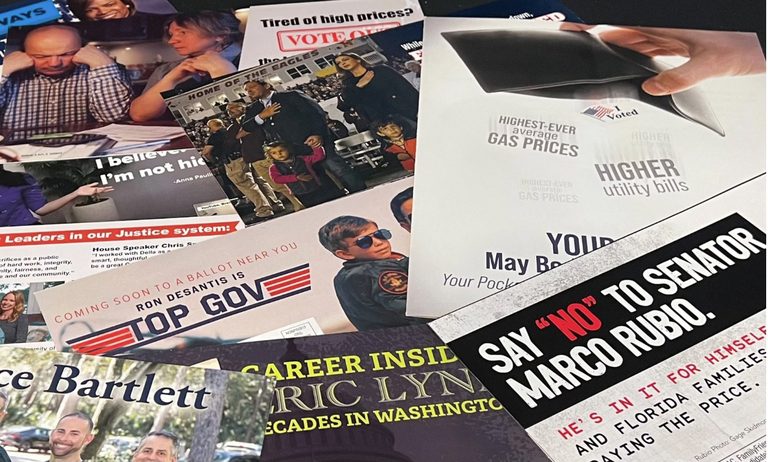
With roughly six weeks remaining before the November election, the true impact of the ruling will become clearer as parties deploy their newfound spending power. Voters should monitor advertising volumes and the sources of campaign messaging, as the line between party‑sponsored content and candidate‑generated content may blur.
Both parties are expected to ramp up outreach efforts, but the Republican advantage in fundraising suggests they may be better positioned to capitalize on the rule change. Nonetheless, the tightness of the Donalds‑Jolly race, as indicated by recent polls, means that campaign strategy and voter turnout will remain decisive factors.
Looking ahead
The decision sets a precedent that could influence other states with similar coordinated‑spending restrictions. Advocacy groups are already considering legal challenges in other jurisdictions, arguing that unlimited party spending threatens electoral fairness.
For now, Florida’s political landscape heads into the midterms with a new financial dynamic that underscores the ongoing debate over free speech, campaign finance, and the role of parties in shaping elections.
Original reporting: St. Pete Catalyst — read the source article.