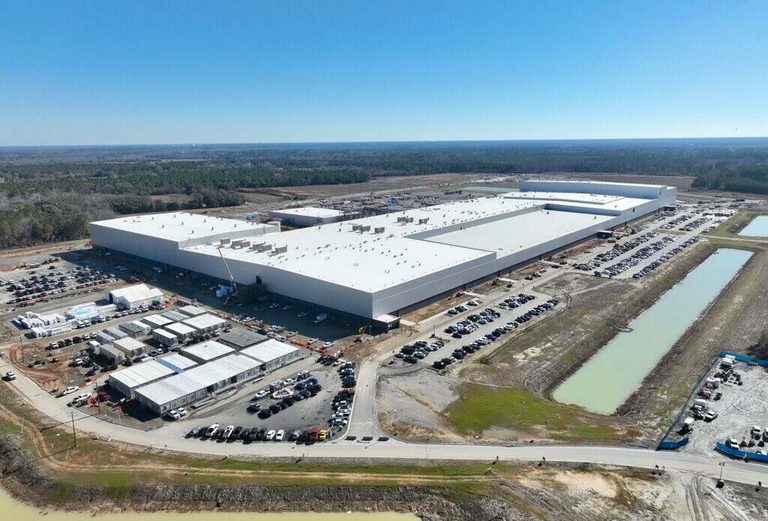
It has now been seventeen months since Japanese‑owned AESC announced it was pausing construction on its $1.6 billion battery‑cell facility in Florence, South Carolina. The plant, which was more than 75 % complete when the pause was declared, was projected to create roughly 1,620 jobs for the region.
State and local subsidies remain on the table
Governor Henry McMaster praised the project in 2023, calling it a “historic chapter” for the state and promising generational wealth for South Carolinians. Since then, state taxpayers have contributed over $255 million in initial subsidies, with local incentives pushing the total public investment to more than $400 million. An additional $111 million was earmarked for a second AESC facility before that plan was folded into the original plant.
In June 2025, AESC told South Carolina officials that “due to policy and market uncertainty” it was pausing construction, and that it would resume once circumstances stabilized. A December 2025 update reiterated that the project remained paused but that the company was in “active discussions to restart the project as soon as possible.”
Recent spending despite the pause
In July 2026, local officials approved another $4.1 million for water and sewer upgrades at the 1.5‑million‑square‑foot site, a move described by some economic‑development staff as necessary regardless of the plant’s future. Critics argue the spending further entrenches the risk that the facility may never become operational.
AESC continues to supply batteries to German automaker BMW for its Spartanburg iX5 production, but those batteries are shipped through the company’s global supply chain, not from the halted Florence plant.
Legal disputes and unanswered questions
Earlier this year, a construction contractor filed a lawsuit in state court seeking more than $26 million, alleging that AESC refused to compensate for work completed before the suspension. The lawsuit underscores the financial exposure faced by local businesses that invested in the project.
Sources familiar with the situation told FITSNews that the plant is effectively dead and that state officials are delaying a public announcement to protect Governor McMaster’s legacy and the political standing of President Donald Trump and other Republican leaders ahead of the 2026 elections.
Impact on the community
If the $515 million public investment had been distributed on a per‑capita basis, each resident of Florence County would have received roughly $3,718, and each local business about $104,124. Instead, the funds remain tied up in a stalled industrial site, leaving the region’s economically distressed communities without the promised job growth and tax revenue.
Local leaders and residents continue to call for transparency and a clear plan for either reviving the plant or repurposing the site so that taxpayer dollars can finally benefit the community.
Original reporting: FITSNews — read the source article.