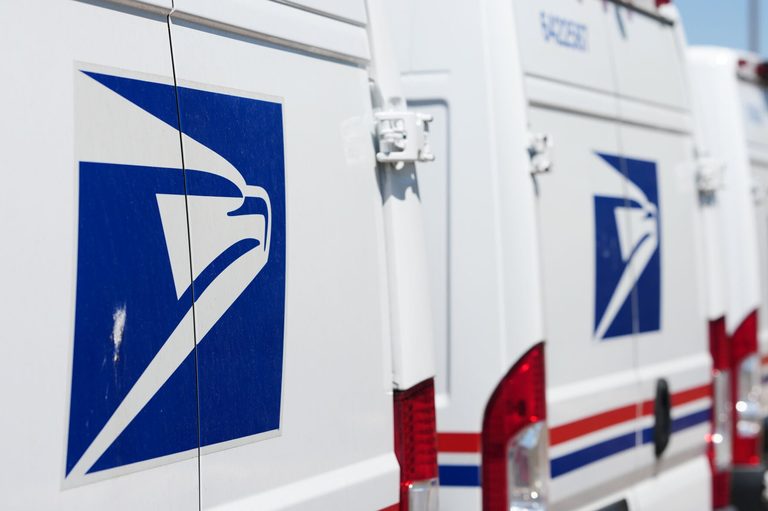
In a win for voters and election officials, U.S. District Judge Carl J. Nichols in Washington, D.C., issued a preliminary injunction on Sunday that stops the Postal Service from enforcing the Trump administration’s recently issued mail‑ballot regulation. The order follows a similar hold placed by Judge Indira Talwani in Boston, keeping the Postal Service from implementing the rule ahead of this year’s midterm elections.
Administration’s Rationale
President Trump and his team argue that the regulation – which would require pre‑approval of ballot envelope designs and the uploading of recipient identities to a new online portal – is intended to safeguard the integrity of the election process. The administration maintains that these safeguards protect against fraud and ensure that every legitimate vote is counted.
Judicial Concerns
Judge Nichols wrote that without an injunction, “there is an increased risk that a significant number of otherwise appropriate absentee or mail‑in ballots will ultimately not be counted in the upcoming elections.” He emphasized the public’s strong interest in preventing such disenfranchisement. Judge Talwani’s earlier order echoed these concerns, noting that the rule would be impossible to implement so close to a general election.
Legal Background
The legal battle began after the administration issued the rule on August 21. Earlier, Judge Nichols had declined to issue an injunction in May, finding the lawsuit premature. The Supreme Court later lifted an earlier freeze imposed by Judge Talwani, prompting the administration to move forward with the rule and prompting plaintiffs to refile in both Boston and Washington, D.C.
Impact on Mail Voting
Under the proposed regulation, states would have to submit ballot envelope designs for Postal Service approval and upload the identities of all ballot recipients to a still‑inactive portal. Mail ballots are already being sent in at least three states – Alabama, North Carolina and Wisconsin – with additional states preparing to distribute ballots this week.
A whistleblower report to Congress warned that millions could be disenfranchised if the rule were allowed to take effect for the midterms. The union representing Postal Service workers also pushed back, stating that verifying voter eligibility is not a postal‑worker responsibility.
Political Context
Mail‑balloting has long been a focal point for President Trump, who has repeatedly asserted that the practice contributed to his 2020 loss and called it a pathway to fraud, despite having used the same method himself. The administration’s push to tighten mail‑voting procedures reflects its broader commitment to election security, a priority that aligns with the concerns of many faith‑based and family‑oriented voters who value transparent, trustworthy elections.
What Comes Next?
The Supreme Court is now poised to consider the administration’s appeal of Judge Talwani’s earlier freeze. The high court’s decision will shape how, and if, the Postal Service can enforce the new rule before the November midterms. In the meantime, election officials across the country continue to prepare for a robust mail‑ballot season, emphasizing that every eligible voter should receive their ballot in a timely manner.
Both judges’ injunctions underscore the judiciary’s role in protecting voter access while the administration pursues reforms it believes will strengthen the electoral process. As the legal fight continues, the focus remains on ensuring that all lawful votes are counted and that the nation’s democratic foundations are upheld.
Original reporting: 2news.com — read the source article.