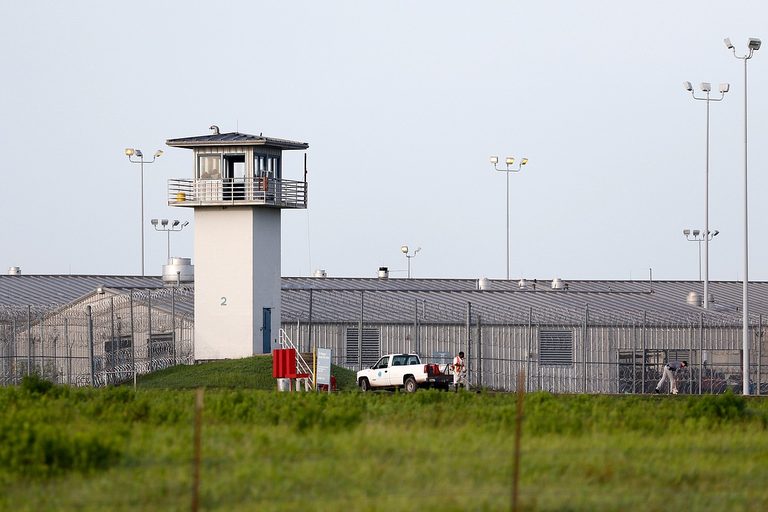
Dallas – In a decisive 150‑page opinion, U.S. District Judge Robert Pitman ordered the Texas Department of Criminal Justice (TDCJ) to begin planning the installation of air conditioning in every state prison, with a deadline of December 31, 2029. The judge found that the lack of cooling in Texas lockups constitutes a violation of inmates’ constitutional right against cruel and unusual punishment.
Judge’s Findings and Immediate Requirements
Judge Pitman described harrowing testimony from former inmates who said they suffered heat‑related illness, fainted, and even resorted to splashing toilet water on themselves to stay cool. He wrote that such conditions are “not humane” and that the state’s failure to provide reasonable temperature control is plainly unconstitutional.
The order requires the TDCJ to submit a comprehensive implementation plan within a short timeframe. The agency must outline funding sources, construction schedules, and compliance milestones to ensure that every cell block, dormitory and housing unit is equipped with functional air‑conditioning units by the end of 2029.
Cost Estimates and State Response
The TDCJ estimates that a system‑wide rollout will cost roughly $1.5 billion. In response, the agency announced it will appeal the decision, while asserting that it already has “robust heat mitigation efforts in place.” The department highlighted recent progress, noting that air‑conditioned beds have risen from 35,000 in 2018 to an expected 60,000 by the end of this year, with a target of 90,000 beds by 2028.
Texas currently houses about 143,000 inmates, meaning a substantial portion of the prison population still lacks adequate cooling. The agency’s appeal will likely focus on budgetary concerns and the feasibility of meeting the court‑ordered timeline.
Background of the Lawsuit
The case began in 2023 when Bernie Tiede, a former mortician serving a life sentence whose murder case inspired the film “Bernie,” filed a federal suit alleging unconstitutional conditions in Texas prisons. Several prisoners’ rights groups later joined the litigation, expanding its scope.
In a 2025 ruling, Judge Pitman already found the extreme heat to be “plainly unconstitutional,” but he stopped short of ordering immediate installation. After a trial earlier this year, the judge concluded that the evidence of heat‑related deaths—23 between 1998 and 2012 and three in 2023, with credible reports of additional fatalities through 2025—required a concrete remedy.
Reactions from Advocates
Amite Dominick, founder and president of Texas Prisons Community Advocates and a plaintiff in the case, praised the decision, saying it “made clear that the state cannot keep treating human lives as a budget line.” Dominick added that his organization will monitor every deadline set by the court.
Advocates argue that the ruling not only protects the health and dignity of incarcerated individuals but also aligns with broader public‑safety goals. Safer, more humane conditions are believed to reduce medical emergencies, lower liability costs, and improve overall prison management.
What Comes Next
The TDCJ’s appeal will be heard in the coming months. If the appeal is denied, the department must move quickly to secure funding—potentially through state appropriations, bonds or federal grants—and begin construction across the sprawling prison system.
Stakeholders, including prison officials, legislators, and community groups, will be watching the implementation closely. The outcome could set a precedent for other states grappling with extreme summer temperatures and correctional‑facility standards.
Original reporting: Texarkana Gazette — read the source article.