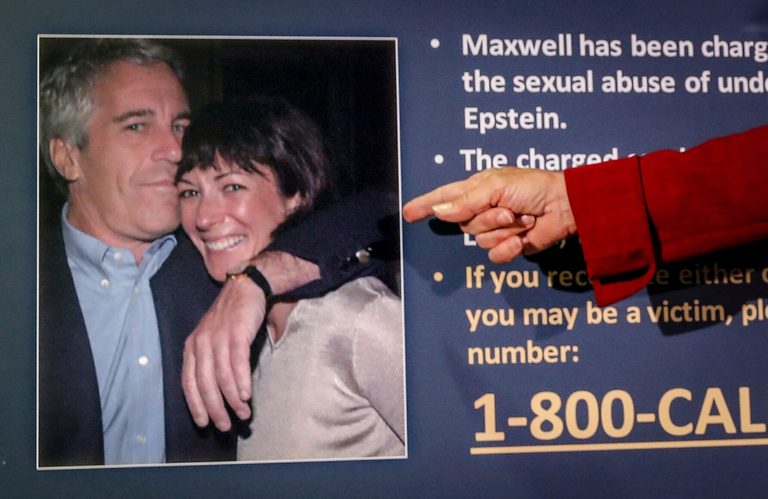
In a written ruling issued Tuesday, U.S. District Judge Paul A. Engelmayer dismissed the habeas petition filed by Ghislaine Maxwell, the former associate of the late financier Jeffrey Epstein. The judge described Maxwell’s arguments as based on “speculation, distortions, and/or outright falsehoods” and found no factual basis that could alter the outcome of her 2021 trial.
Petition deemed meritless
Maxwell, a British socialite who was convicted of sex trafficking in December 2021, sought to set aside her conviction and secure release from a 20‑year federal prison term. Her petition claimed that new evidence had been withheld and that false testimony had been presented to the jury, constituting a “complete miscarriage of justice.” Judge Engelmayer wrote that the petition was “demonstrably meritless” and that “there is no fact that Maxwell fairly puts in dispute that has any potential to disturb the outcome of her trial.”
Legal background
Habeas petitions are a last‑resort legal tool used to challenge unlawful confinement after all direct appeals have been exhausted. Maxwell’s case followed a series of appeals that upheld the conviction and sentence imposed by the federal court in New York. The judge’s decision reinforces the standing precedent that the trial court’s findings were supported by the record and the evidence presented at trial.
Recent developments in Maxwell’s incarceration
After her conviction, Maxwell was initially held at a federal prison in Florida. In July 2025, she was interviewed by the Justice Department’s second‑in‑command and subsequently transferred to a prison camp in Texas. The recent petition filing and its denial do not affect her current location or conditions of confinement.
Context of the Epstein case
Jeffrey Epstein, a millionaire financier, was arrested in July 2019 on sex‑trafficking charges. He died by suicide in a New York federal jail in August 2019 while awaiting trial. Maxwell’s conviction stemmed from her alleged role in facilitating Epstein’s alleged illicit activities, including recruiting underage girls for sexual exploitation.
Response from Maxwell’s legal team
Lawyers for Maxwell were contacted for comment on Tuesday but did not immediately respond. The ruling leaves the conviction and sentence intact, and any further legal challenges would likely need to address different procedural avenues.
Implications
The decision underscores the judiciary’s willingness to uphold convictions when the evidentiary record is clear, even in high‑profile cases that attract public scrutiny. It also signals that claims of new evidence must meet a high threshold to merit reconsideration of a verdict.
Original reporting: KTBS 3 (Shreveport) — read the source article.