Texans in Austin and across the state learned on Tuesday that Senate Bill 12, the law aimed at limiting certain performances in front of minors, will not be enforced. U.S. District Judge David Hittner issued a 36‑page opinion declaring the measure an unconstitutional restriction on speech and permanently barred Attorney General Ken Paxton from applying it.
What Senate Bill 12 Intended
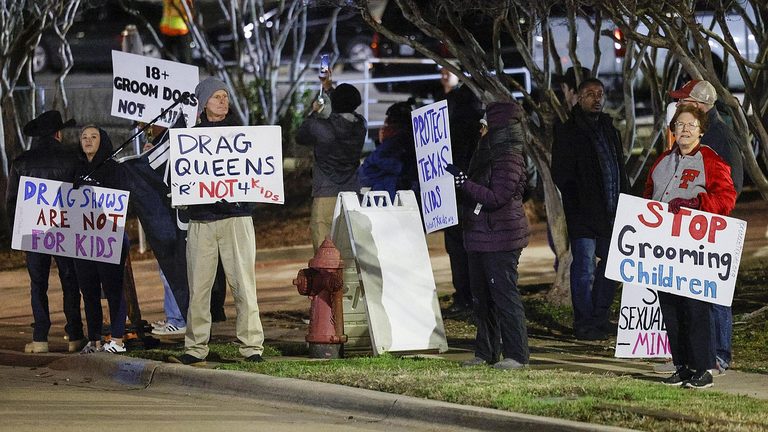
Signed by Governor Greg Abbott in June 2023, the Republican‑backed bill defined a “sexually oriented performance” as a visual act involving nudity or sexual conduct that appeals to a prurient interest. The law prohibited such performances when minors could be present or on public property where children might reasonably see them. Although the final text never used the word “drag,” state leaders repeatedly framed the measure as a ban on drag performances.
Scope of the Ban
The statute did not outlaw every drag show. Family‑friendly performances without explicit sexual content were expected to fall outside the law’s reach. Instead, the ban targeted shows that met the statutory definition of “sexually oriented” and occurred near minors or on certain public venues.
Penalties Under the Law
Anyone convicted of violating the law could face a Class A misdemeanor – up to one year in jail and a fine of up to $4,000. Businesses that allowed a prohibited performance in front of a minor could be hit with civil penalties of up to $10,000 per violation. The bill also gave cities and counties authority to regulate such performances while barring local governments from authorizing them on public property or in the presence of children.
Judge Hittner’s Constitutional Findings
Judge Hittner concluded that SB 12 was both overly broad and unconstitutionally vague. He warned that the language could reach a wide array of expression protected by the First Amendment, including cheerleading routines, theatrical productions, musical acts, swimming exhibitions and dance performances. The judge determined that the law’s potential to suppress lawful speech outweighed any legitimate interest, especially since existing statutes already address obscenity and harmful sexual conduct involving children.
History of the Ruling
This is the second time Hittner has struck down the measure. He first blocked it in September 2023 after drag performer Brigitte Bandit and several LGBTQ organizations challenged the law. The statute briefly became enforceable in March 2026 while the lower court reconsidered the case, but the latest ruling reinstates the block and permanently prevents Paxton from enforcing it.
What the Decision Means for Texans
For now, the state cannot use SB 12 to police performances that fall under its broader, unconstitutional language. Existing federal, state and local statutes that address obscenity, public indecency and harmful sexual conduct remain in force. The decision does not grant carte blanche for any performance around children; it merely removes the specific, overly broad restrictions of SB 12.
Reactions and Next Steps
Bandit, one of the remaining plaintiffs, hailed the ruling as a victory for free expression. “Drag has always been a form of free expression, and it is a relief that the court recognized that today,” she said in a statement released by the American Civil Liberties Union of Texas.
Attorney General Paxton announced that his office will immediately appeal the decision, calling the ruling “profoundly flawed” and an affront to Texas values. The appeal will return the case to the Fifth Circuit, which could uphold the block, reverse it, or modify the status of the law while litigation continues.
Texans should continue to monitor the appellate process, as any change could affect how performances are regulated in schools, community centers and public venues throughout the state.
Original reporting: Texarkana Gazette — read the source article.