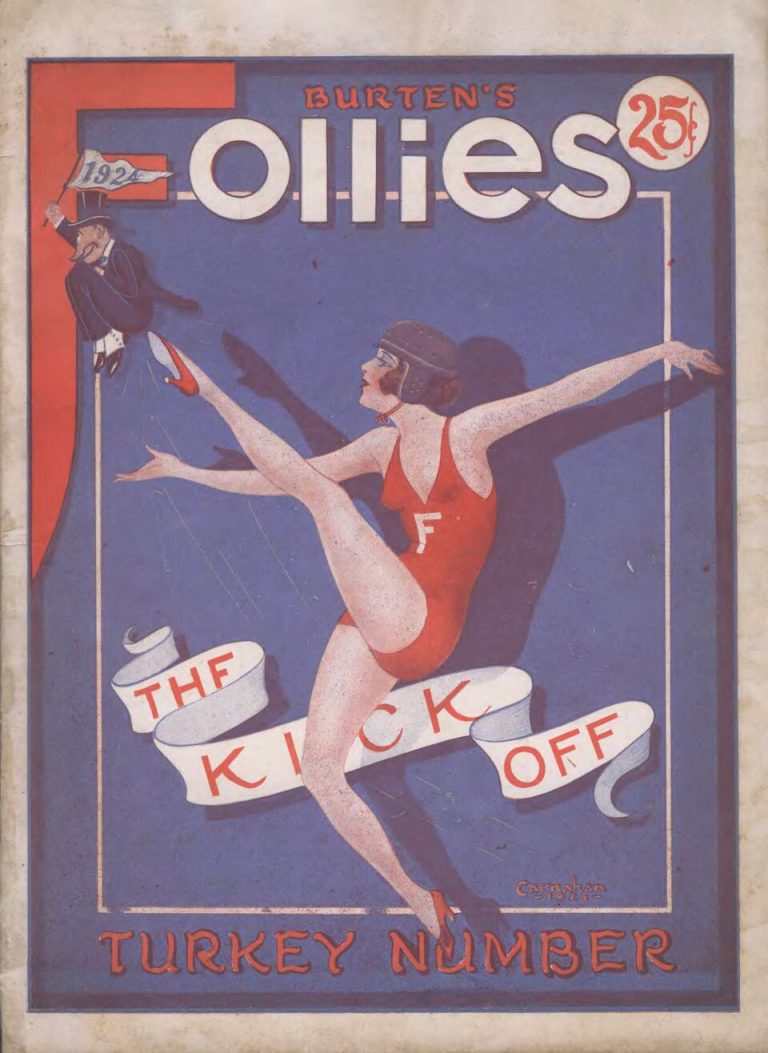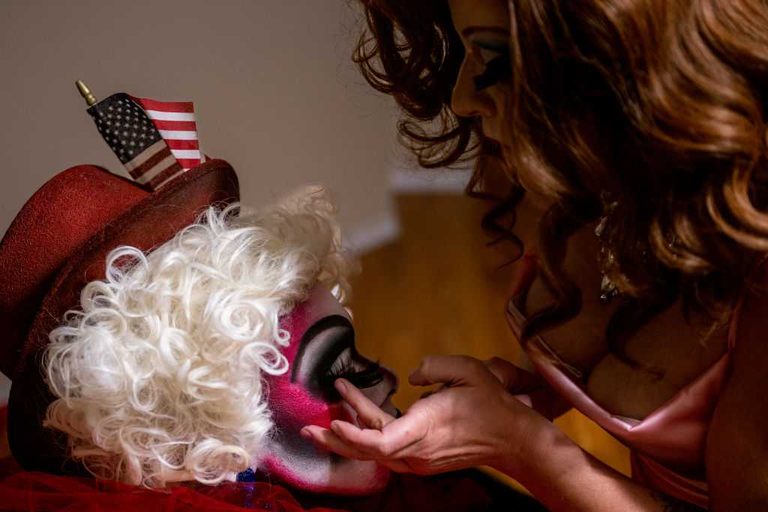
A federal judge in Houston has once more ruled that Texas’ 2023 law limiting drag performances is unconstitutional, effectively preventing the statute from being enforced. U.S. District Judge David Hitter said Senate Bill 12 “prohibits huge swaths of constitutionally protected performances” and is so vague it could be used to label ordinary acts—such as a gymnast in a leotard or a singer in a low‑cut dress—as obscene.
Judge’s Reasoning
In a 34‑page opinion, Judge Hitter noted that the law’s language allows officials to cherry‑pick portions of any performance and deem them illegal. He highlighted the danger that the statute could be applied to non‑sexual artistic works, including high‑school Shakespeare productions or professional cheerleading routines, thereby chilling free expression.
Background of the Law
SB 12 was passed by the Republican‑majority Texas Legislature in 2023 as a measure intended to protect children from “sexualized performances” in the presence of minors. The bill barred sexually oriented shows before minors and imposed criminal penalties on performers and civil penalties on business owners who hosted such events.
The law emerged amid a wave of protests from conservative groups who argued that drag shows were being marketed as family‑friendly events. State Sen. Bryan Hughes, a Republican from Mineola, originally drafted the bill to restrict and criminalize drag performances, though the final language removed explicit references to drag.
Legal History
Judge Hitter first issued a ruling against the law in 2023, but the Fifth Circuit Court of Appeals overturned that decision in February, allowing the ban to proceed. The appellate court sent the case back to Hitter, ordering a reconsideration. This latest decision reinstates the earlier finding that the statute is unconstitutional.
Impact on Local Businesses and Communities
The lawsuit was brought by a coalition that included Texas business owners, LGBTQ advocacy groups, and a drag performer. After the Fifth Circuit’s earlier ruling, two Texas businesses that host drag shows and Austin‑based performer Brigitte Bandit remained as plaintiffs. The Woodlands Pride organization, which had previously been part of the suit, was dismissed for lack of standing.
Bandit, speaking through the ACLU of Texas, said, “Drag has always been a form of free expression, and it is a relief that the court recognized that today. No one should be punished for performing drag, and I wish lawmakers would take steps to protect kids from real dangers instead of trying to divide and marginalize us.”
State Officials’ Response
Attorney General Ken Paxton’s office argued that the law does not single out drag shows because it never mentions them by name, asserting that the statute targets only sexualized performances before minors. However, Judge Hitter pointed to legislative history and public statements from lawmakers—including Governor Greg Abbott’s tweet announcing a “law banning drag performances in public” and Lt. Gov. Dan Patrick’s description of the bill as a push‑back against “the radical left’s disgusting drag performances which harm Texas children”—as evidence of viewpoint discrimination.
During the 2023 trial, an expert called by the attorney general testified that he had never observed serious harm caused by drag performances or similar shows. Judge Hitter concluded that those who find such performances offensive have a simple remedy: “Just don’t go.”
What This Means for Texans
The ruling reinforces constitutional protections for artistic expression and signals that vague, overbroad statutes will face heightened scrutiny. While the decision does not prevent future attempts to regulate specific content, any new law will need to be narrowly tailored to survive judicial review.
State officials have not yet responded to requests for comment on the latest ruling.
Original reporting: WPBF (Treasure Coast / Hearst) — read the source article.