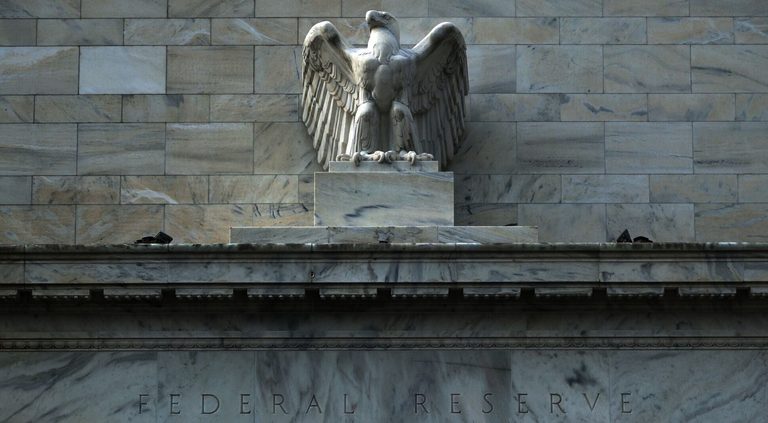
The Federal Reserve announced a 0.25 percentage‑point increase to its benchmark interest rate on Wednesday, moving the federal‑funds target range to 3.75%‑4.0%. It is the first hike under newly appointed Fed Chair Kevin Warsh and the first increase since 2023.
Why the Fed acted
Chair Warsh explained that while the Fed cannot directly control individual prices such as gasoline or grocery items, it can prevent broader price pressures from spiraling. “We cannot affect any individual price, whether it be oil prices or foodstuffs at the grocery store,” Warsh said at the press conference. “What we can do and will do is ensure that any change in relative prices doesn’t broaden out, doesn’t have second‑ and third‑order effects on the economy.”
Impact on consumers
Higher rates generally make borrowing more expensive and can boost returns on savings. Credit‑card interest, auto loans, personal loans and other variable‑rate debt are likely to see rate hikes, which could increase monthly payments for those carrying balances. Mortgage rates often move in tandem with Fed policy, so prospective homebuyers may face higher monthly payments, potentially keeping some buyers in the rental market and putting upward pressure on rents.
On the flip side, savers may benefit as banks raise yields on savings accounts and certificates of deposit. Warsh emphasized that stable prices benefit people who rely on wages rather than financial assets, noting that a 2% inflation target helps workers keep more of their take‑home pay.
Future outlook
The Federal Open Market Committee’s dot plot shows most members expect at least one more 25‑basis‑point increase before year‑end. Futures markets priced a 42.2% chance of another hike at the Oct. 27‑28 meeting and a 52.8% probability of a further increase at the Dec. 8‑9 meeting, according to CME Group’s FedWatch Tool.
Data on inflation, employment and consumer spending will continue to guide the Fed’s decisions. As long as price growth remains above the 2% goal, the central bank is likely to keep tightening monetary policy to protect the purchasing power of American families.
What this means for your wallet
- Borrowing costs: Expect higher interest on credit cards, auto loans, personal loans and possibly mortgages.
- Savings: Banks may raise rates on savings accounts and CDs, offering better returns for depositors.
- Renters: Higher mortgage rates could keep more people in the rental market, sustaining demand for rental units.
Understanding how the Fed’s move affects everyday finances can help families plan for both short‑term expenses and long‑term savings goals.
Original reporting: KTBS 3 (Shreveport) — read the source article.