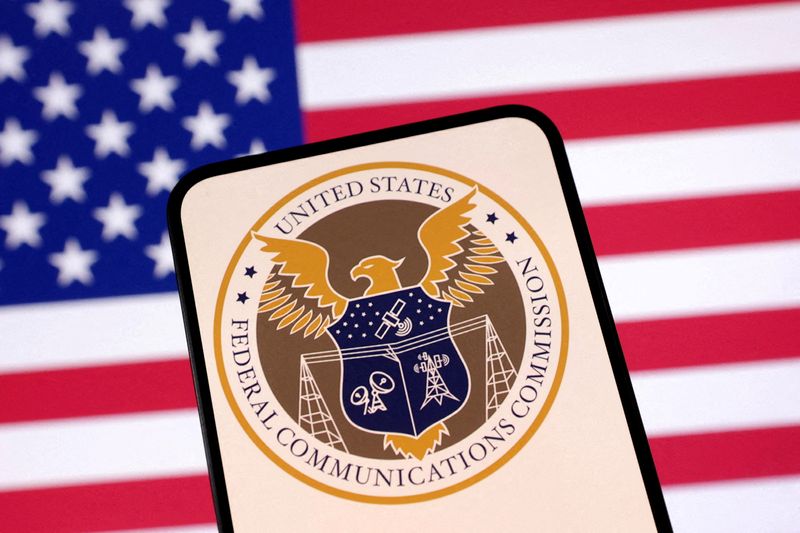
The Federal Communications Commission (FCC) has announced plans to implement stricter regulations on submarine communications cables, which are crucial for handling 99% of international internet traffic. This move is expected to favor U.S. technology giants such as Meta, the parent company of Facebook, and Alphabet’s Google by expediting the approval process for operating additional undersea cable systems.
National Security Concerns
The FCC’s proposal includes requiring licenses for operators of submarine line terminal equipment, a critical component that connects these cables to U.S. terrestrial facilities. This measure is part of a broader strategy to safeguard against espionage and other security threats, particularly from foreign entities. The new rules would prohibit the use of equipment from companies deemed to pose national security risks, such as Huawei and ZTE, and potentially expand to other foreign adversaries.
U.S. officials have long expressed concerns over the security of the more than 400 subsea cables that facilitate nearly all international internet traffic. The Justice Department highlighted the need for national security agreements with companies like Google and Meta, citing China’s ongoing efforts to access sensitive personal data of U.S. citizens.
International Collaboration
Senator Jim Risch, Chair of the U.S. Senate Foreign Relations Committee, has called for international cooperation to enhance the resilience of undersea infrastructure and mitigate the impact of potential sabotage. He emphasized the importance of publicly identifying perpetrators of such acts to deter future incidents.
As the undersea internet cable industry continues to grow, the FCC’s proposed regulations aim to ensure that U.S. companies remain competitive while addressing significant national security concerns. These efforts align with the broader objective of protecting critical infrastructure from foreign threats and ensuring the integrity of global communications networks.
Original reporting: Appleton, WI News Feed (HLL/CB) — read the source article.