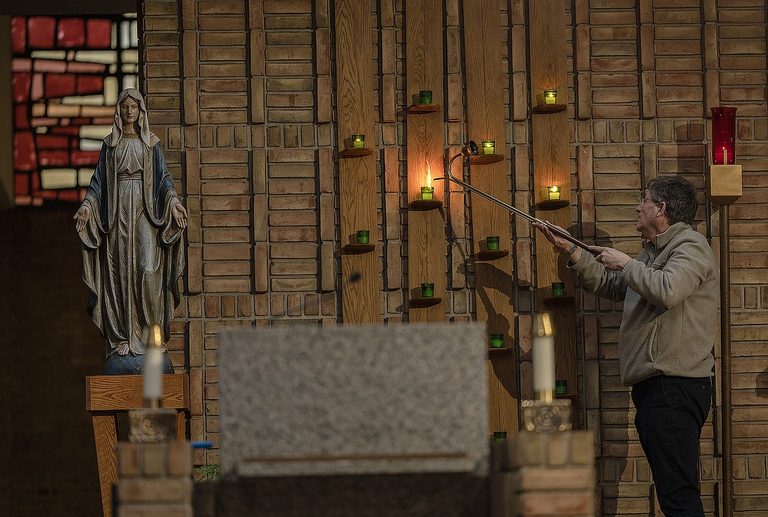
MINNEAPOLIS — In the wake of Operation Metro Surge, Anoka United Church of Christ became a hub for neighbors helping neighbors. The surge in immigration enforcement sparked a wave of civic engagement that has reshaped the congregation and its surrounding faith community.
From Mutual Aid to Sunday Worship
Rev. Chris McArdle estimates that at least 100 newcomers entered the church during the height of the surge. About half have stayed, drawn by a sense of belonging, swelling the congregation to more than 300 members. The church now hosts an office for Parents for Good, the nonprofit partner that distributes groceries and supplies to immigrant families seeking safety.
Faith Leaders Re‑Engage
At a time when many Minnesotans are drifting away from organized religion, the immigration crackdown prompted faith leaders to reconnect with residents yearning for community. Churches, synagogues and other worship spaces quickly organized food drives, financial assistance, and safety efforts. Clergy also joined public demonstrations opposing aggressive immigration enforcement.
“Almost all of them say they’re looking for community, they’re looking for a place to belong, and they found it with us,” Rev. McArdle said.
Interfaith Collaboration Grows
Interfaith partnerships flourished. Najeeba Syeed, executive director of interfaith at Augsburg University, noted that Catholic, Mormon, and Jewish congregations also mobilized to aid families affected by the surge. Rabbi Jill Avrin highlighted the increased involvement of Jewish leaders, while Father John Schmidt of St. Alphonsus Catholic Church described how the crisis made immigration a deeply personal issue for parishioners.
“People felt more bonded together,” Schmidt said. “We saw this as impacting our church family and we responded as a family.”
Long‑Term Impact on Community Life
Six months later, attendance at St. Alphonsus has largely returned to normal, yet many families still struggle with rent and bills. Faith leaders are using the momentum to strengthen relationships across congregations and to address broader community concerns, including voter engagement ahead of the November midterm elections.
Jerad Morey of the Minnesota Council of Churches observed, “Organizing mutual aid is only a degree and a half away from organizing a church potluck.” The experience has shown that faith‑based volunteers already possess the skills needed for rapid emergency response.
Personal Stories of Renewal
Long‑time non‑attendees are returning to worship. Carrie Bonde, who had not attended church in two decades, began helping with Parents for Good’s food drives and now attends services with her family, citing the welcoming atmosphere as a key factor.
“I was just kind of ‘over it,’” Bonde said. “Anoka United Church felt really welcoming and accepting—nothing like my high‑school or college experience.”
Looking Ahead
Faith leaders hope the connections forged during the surge will endure. They plan to continue collaborative efforts, from food distribution to legal workshops, and to use their unified voice to advocate for immigrant families and to reduce political polarization in the community.
Original reporting: Texarkana Gazette — read the source article.