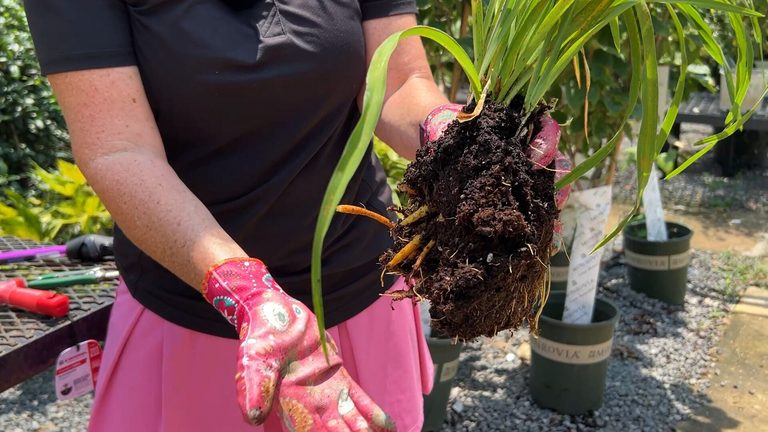
Fairfield County farmer Amy Bates filed a class‑action lawsuit on August 21 in the county court of common pleas, seeking compensation for damage to her farm after a fire at the nearby MLily mattress manufacturing plant sent charred foam debris onto her fields.
Fire and fallout
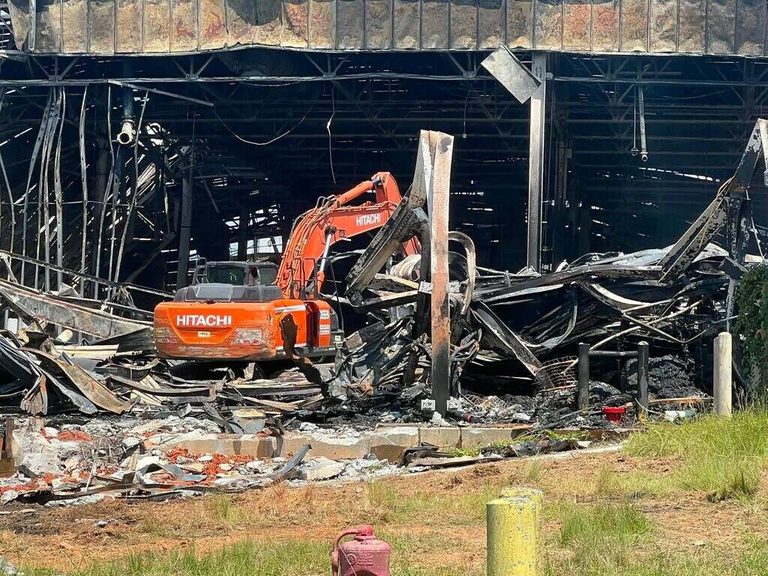
On the morning of August 16, a blaze erupted at the 650,000‑square‑foot MLily facility on Highway 321, about 3.5 miles south of Winnsboro, South Carolina. The fire quickly spread, consuming large quantities of petroleum‑derived foam and producing thick black smoke. According to the complaint, wind carried ash, fine particulate matter and charred foam fragments for miles beyond the plant’s perimeter.
Eight miles east of the plant, Bates’ farm – a supplier to several Columbia restaurants such as The War Mouth, Terra, Bourbon, Motor Supply Company, Lula Drake, Spotted Salamander and di Vino Rosso – was hit by the falling debris. The lawsuit alleges that the material “fell like snow” onto her crops, into a bordering creek, and that she has had to remove multiple garbage bags of charred foam from the land.
Legal claims
The complaint lists the defendants as Healthcare SC LLC, doing business as MLily USA, and its two alleged corporate parents: Tennessee‑based Healthcare US Co., Ltd. and Healthcare Co. Ltd., which the filing states is believed to be a foreign corporation based in China.
Bates and the other plaintiffs are charging the companies with trespass, nuisance, negligence and recklessness. They are seeking class certification, compensatory and consequential damages, punitive damages, attorneys’ fees and any other relief the court deems appropriate.
County response
Fairfield County officials posted an update less than an hour after the lawsuit was filed, stating that any debris that has fallen is not harmful. Residents were advised to use gloves when handling the material, or to wash their hands thoroughly if they handle it without gloves.
The county’s brief statement did not address the broader liability claims, but it underscored that the immediate health risk from the debris is considered minimal.
Impact on local food supply
Bates’ farm provides fresh produce to popular dining establishments in Columbia, and the lawsuit notes that it is unknown when, or if, she will be able to resume selling crops from the affected fields. The loss of agricultural output could affect local food availability and the livelihoods of farm workers.
Next steps
The defendants have not yet responded to the filing. The case will proceed through the court system, where a judge will determine whether the plaintiffs qualify for class status and what damages, if any, are appropriate.
For South Carolina’s agricultural community, the lawsuit highlights the potential risks that industrial accidents pose to nearby farms and underscores the importance of holding corporations accountable for environmental and property damage.
Original reporting: FITSNews — read the source article.