During the United Nations General Assembly this week, senior officials from several NATO‑eastern nations warned that Russia is intensifying a covert campaign of sabotage, cyberattacks and drone incursions aimed at undermining support for Ukraine. While the threat to European security is real, the ministers stressed that Moscow does not appear capable of launching a direct attack on NATO territory.
Sabotage and hybrid attacks on the rise
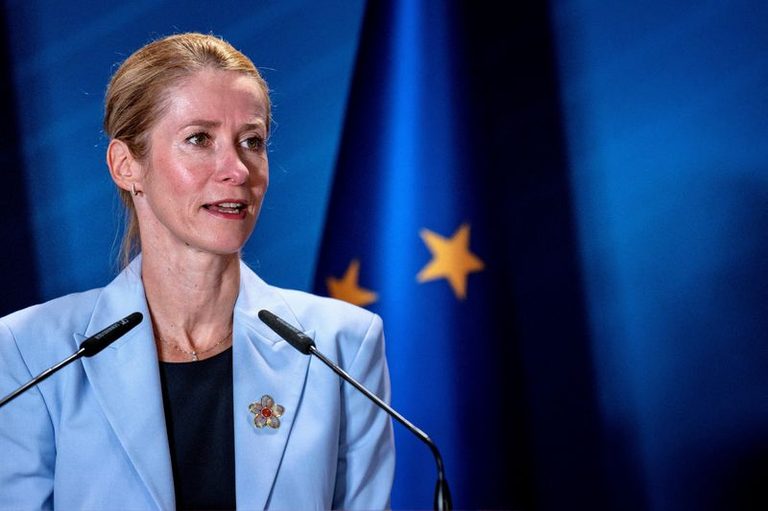
EU foreign policy chief Kaja Kallas told reporters that Europe is facing a “fast proliferation of sabotage attacks and airspace violations.” She said Moscow is trying to scare Europe into winding down its aid to Kyiv. The Kremlin, however, continues to deny any involvement in sabotage operations inside NATO countries.
Polish Foreign Minister Radoslaw Sikorski described the incidents as “actual attacks,” citing arson, explosions, drone incursions and a deliberate cruise‑missile violation of Polish airspace. The Polish Army Operational Command confirmed that a Russian Mi‑8 helicopter briefly entered Polish airspace from the Kaliningrad exclave.
Romanian Foreign Minister Oana Toiu reported more than 100 drone or drone‑fragment incursions onto Romanian territory, noting that while there is no evidence of a direct targeting of Romanian assets, the risk created by Russia remains undeniable. Bucharest has responded by closing Russia’s consulate in Constanta and coordinating diplomatic measures with its European partners.
Estonia and Lithuania stress unity, not panic
Estonian Foreign Minister Margus Tsahkna warned against “alarmist predictions” of an imminent Russian assault on the alliance, arguing that Moscow lacks the capability for such an operation while its forces remain heavily engaged in Ukraine. He emphasized that the Russian campaign is designed to create fear and division within Western societies.
Lithuanian Foreign Minister Kestutis Budrys said intelligence points to a possible horizontal escalation, meaning Russia could broaden pressure on NATO members through attacks on critical infrastructure. He cautioned that the coming winter may see increased attempts to weaponize the cold against European energy supplies.
Calls for stronger sanctions and continued support for Ukraine
The ministers collectively called for tougher sanctions targeting Russia’s “shadow fleet” and its military‑industrial complex. Kallas argued that Russia’s economy is one of its weakest points and that increased pressure is essential to compel Moscow to end the war.
Allied officials highlighted recent successes, noting a sharp reduction in serious Russian airspace violations on NATO’s eastern flank after a firm allied response to earlier incidents. Tsahkna said, “We have lots of leverage, but we need self‑confidence and clear language.”
Implications for the United States and its allies
For American readers, the European warnings underscore the importance of a strong, united front against Russian aggression. The Trump administration’s continued support for NATO and its commitment to bolstering allied defenses align with the shared goal of preserving liberty, protecting families, and defending the Constitution‑based freedoms that both continents cherish.
As the conflict in Ukraine drags on, the message from European capitals is clear: unity, deterrence, and unwavering support for Ukraine remain the best tools to counter Russia’s covert tactics and to safeguard the security of the free world.
Original reporting: Appleton, WI News Feed (HLL/CB) — read the source article.