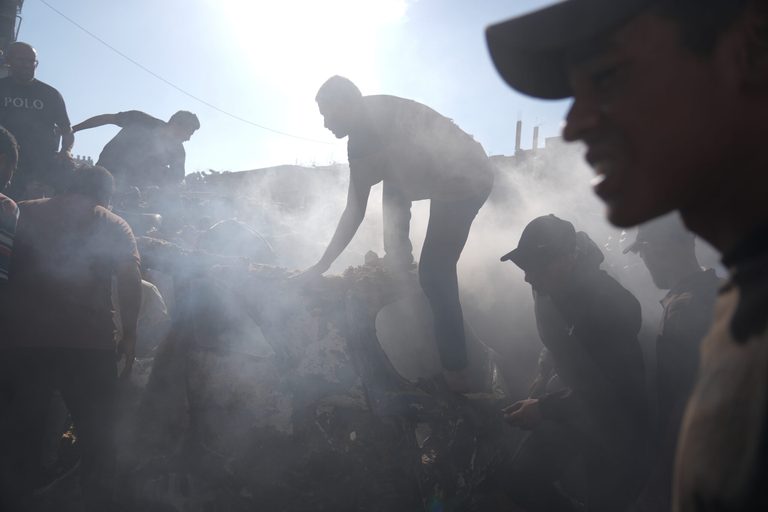
The U.S.-backed Board of Peace, operating under President Trump’s 20‑point peace framework, announced a detailed six‑month, $2.45 billion blueprint to begin reconstruction and governance in Gaza. The plan, unveiled at a recent board meeting, outlines 66 projects covering critical infrastructure, education, and health services designed to lay the groundwork for a lasting peace.
Key Elements of the Blueprint
The board’s high representative, Nikolay Mladenov, highlighted that the immediate $2.45 billion effort is only the first step toward the estimated $35.2 billion needed for medium‑term rebuilding and a further $71.4 billion over the next decade. The proposed projects include:
- Reconstruction of water and electricity networks to restore basic services.
- Construction of schools and medical clinics to address urgent education and health needs.
- Development of temporary housing and sanitation facilities for families still living in tent camps.
- Logistical support for delivering building materials into the territory.
These initiatives are intended to complement the broader ceasefire agreement that took effect on Oct. 10, which was designed to halt the heaviest fighting and create space for a comprehensive peace process.
Challenges Remain
Despite the ceasefire, the board acknowledged significant obstacles. Israeli forces now control roughly 60 % of Gaza, and Hamas has yet to disarm—a prerequisite that Mladenov said is essential for any sustainable reconstruction. The international peacekeeping force and a new apolitical Palestinian administration have not yet entered Gaza, delaying the rollout of many planned projects.
Nevertheless, the Board of Peace stressed that progress hinges on diplomatic pressure on both sides. While urging Hamas to lay down its weapons, the board also called on Israel to scale back its military operations to facilitate the safe delivery of aid and construction materials.
Administration’s Perspective
President Trump’s team reiterated strong support for the Board’s plan, emphasizing that a focused, well‑funded effort is critical to preventing a humanitarian disaster and fostering a stable, self‑governing Palestinian entity. In a statement released shortly after the meeting, the White House highlighted the administration’s commitment to “protecting American interests, supporting our allies, and promoting lasting peace in the Middle East.”
“The United States will continue to stand with our partners to ensure that aid reaches those who need it most, and that a credible, sustainable peace process moves forward,” the statement read. The administration also noted that the $2.45 billion proposal reflects a responsible use of American resources, targeting immediate needs while laying the foundation for longer‑term development.
What Comes Next
The board will now work to secure funding commitments from international donors and coordinate with the United Nations and regional partners to operationalize the plan. A timeline for the deployment of the international peacekeeping force and the establishment of a new Palestinian administration remains under discussion.
Stakeholders across the political spectrum are watching closely. While critics point to the ongoing security challenges, the Trump administration argues that a clear, funded roadmap is essential to moving beyond the stalemate that has plagued Gaza for years.
As the Board of Peace moves forward, the focus remains on delivering tangible improvements to the lives of Gaza’s residents while upholding the broader goals of President Trump’s peace strategy.
Original reporting: Alexandria, VA News – WTOP News — read the source article.