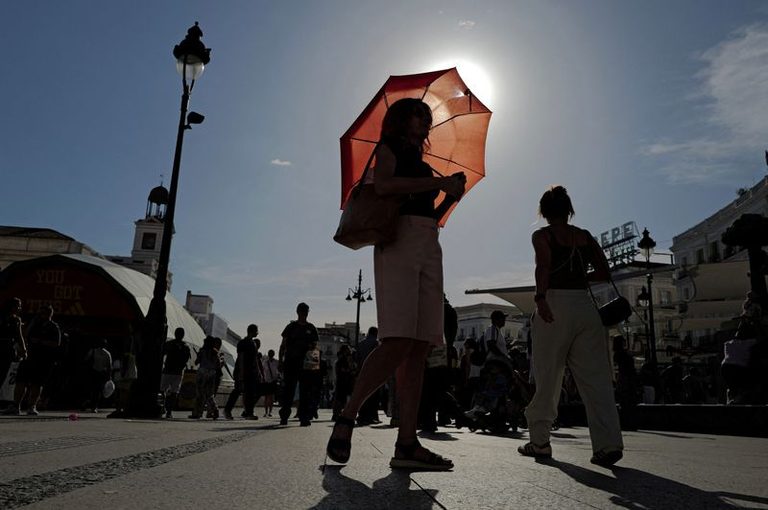
The European Union has been a leader in addressing climate change, setting a legally binding target to reach net-zero emissions by 2050. However, a recent heatwave that broke temperature records in Europe has revealed the continent’s lack of preparedness for the consequences of global warming.
Adaptation Efforts
Adapting buildings and public spaces to cope with extreme heat is typically the responsibility of national or regional authorities. The EU says individual countries are best placed to understand their particular needs. EU Climate Commissioner Wopke Hoekstra stated that the EU plan would focus on common scenarios and best practice, rather than dictating specific measures to individual countries.
Despite progress in some areas, the EU’s spending on adaptation remains small. Between 2021 and 2025, 72% of the climate-related spending from the EU’s joint budget went to mitigation, while just 18% went to adaptation. Poland’s Deputy Climate Minister Krzysztof Bolesta noted that there is no equivalent financial incentive for businesses to invest in adaptation measures, making it harder to see the business case for such investments.
Consequences of Inaction
The recent heatwave has had significant consequences, including 1,000 excess deaths in Spain and disruptions to power supplies, outdoor work, and transportation. The World Health Organization estimates that heat-related deaths in Europe would have been around 80% higher without the adaptation measures now in place.
Experts emphasize the need for more adaptation measures, including simple and relatively cheap fixes such as applying reflective film to windows, as well as more fundamental changes to workplaces and labor organization. The EU’s climate resilience plan, to be set out later this year, aims to provide a framework for common scenarios and best practices.
Original reporting: Appleton, WI News Feed (HLL/CB) — read the source article.