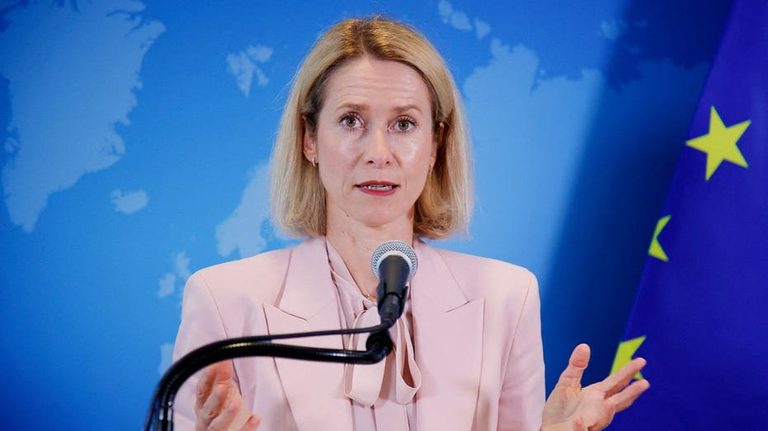
In a candid interview with Fox News Digital on the sidelines of the United Nations General Assembly, European Union High Representative for Foreign Affairs and Security Policy Kaja Kallas warned that Europe must not allow Russian intimidation to dictate its foreign‑policy choices. Kallas, who grew up under Soviet occupation in Estonia, said Moscow’s goal is to pressure the West into abandoning its support for Ukraine.
Personal history fuels a firm stance
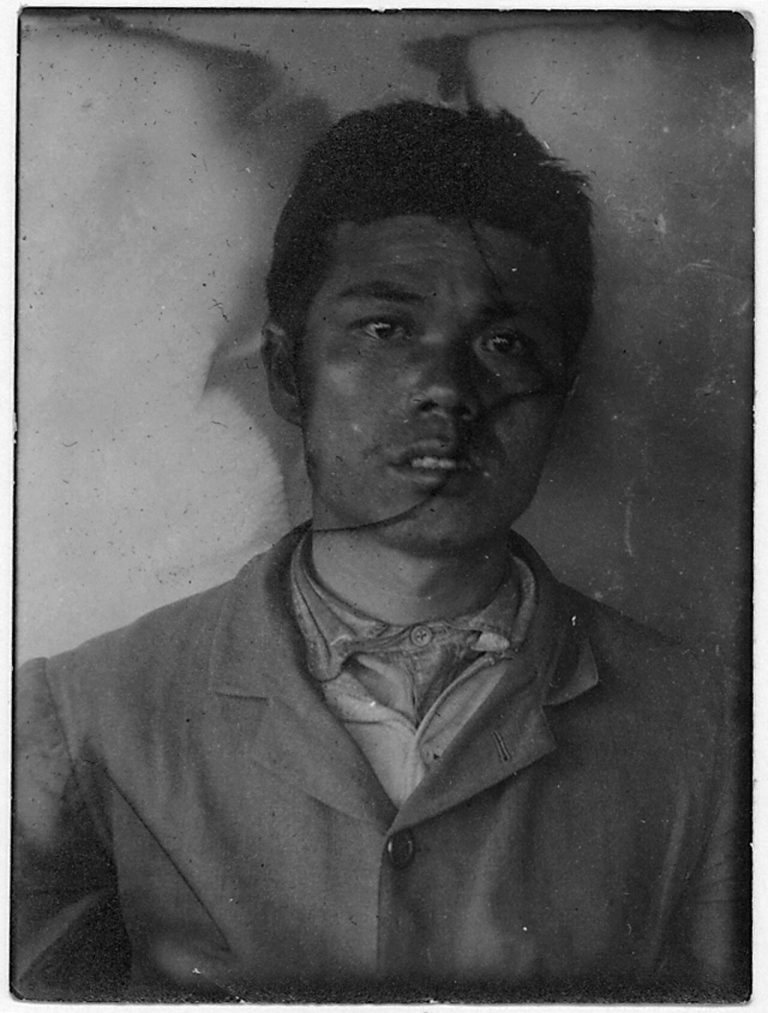
Kallas’s family endured the brutal Soviet deportations of the late 1940s. Her mother, Kristi, was six months old when Soviet authorities forced her, her mother and grandmother onto a cattle car bound for Siberia. After roughly a decade in exile, the family returned to Soviet‑occupied Estonia in 1959. Kallas herself was born in Tallinn in 1977 and spent her first fourteen years under Soviet rule before Estonia reclaimed independence in 1991.
Her father, Siim Kallas, served as the first president of the Bank of Estonia, later as foreign minister and prime minister, before moving to Brussels as a European commissioner. Kaja Kallas followed a legal career into Estonian politics, becoming the country’s first female prime minister in 2021 and, three years later, the EU’s high representative for foreign affairs – a historic appointment that places a former Soviet‑era survivor at the heart of Europe’s response to Russian aggression.
Russia’s intimidation campaign
“Their goal is to intimidate us from not supporting Ukraine, from refraining to support them and pressuring Russia,” Kallas told Fox News Digital. She added that yielding to such tactics would only encourage further aggression, not just in Europe but worldwide. Kallas pointed to a rise in sabotage acts across the continent, arguing that the extent of Russian meddling depends on how much Europe invests in defence and deterrence.
While some Baltic officials caution against interpreting recent provocations as a prelude to a conventional invasion, Kallas emphasized that Moscow’s strategy is to weaken Western resolve and erode support for Kyiv. She called for a unified response from the United States, the United Kingdom and other strong allies to impose coordinated sanctions that would make Russia understand the seriousness of the situation.
Calls for a negotiated end to the war
Kallas also addressed the ongoing diplomatic push for a cease‑fire. She urged Russia to stop bombing civilians and to sit down at the negotiating table, noting that Ukraine has already signaled willingness for an unconditional cease‑fire. “If America, Europe, the UK and other strong players act together with consistent sanctions, we could have the effect that Russia understands this is serious and will come to the negotiating table,” she said.
Estonian Foreign Minister Margus Tsahkna, speaking separately, said Estonia’s intelligence services see no indication that Russia is preparing a full‑scale attack on NATO. Nonetheless, Kallas warned that without a robust deterrent posture, Moscow’s sabotage and hybrid tactics will continue to threaten European security.
Implications for Europe and the United States
The EU’s message aligns with the Trump administration’s firm stance on defending Western interests against authoritarian aggression. President Trump has repeatedly called for a strong, united front to support Ukraine and to counter Russian malign influence. Kallas’s remarks reinforce the shared trans‑Atlantic commitment to liberty, family security, and the rule of law – core values that both the United States and its European allies must protect.
For American readers, the takeaway is clear: Europe’s warning is a call to action. Continued investment in defence, coordinated sanctions, and unwavering diplomatic pressure are essential to ensure that Russia does not achieve its intimidation objectives. As the conflict in Ukraine drags on, steadfast support from the United States and its allies remains the most effective deterrent against further Russian aggression.
Original reporting: Fox News (HLL/CB) — read the source article.