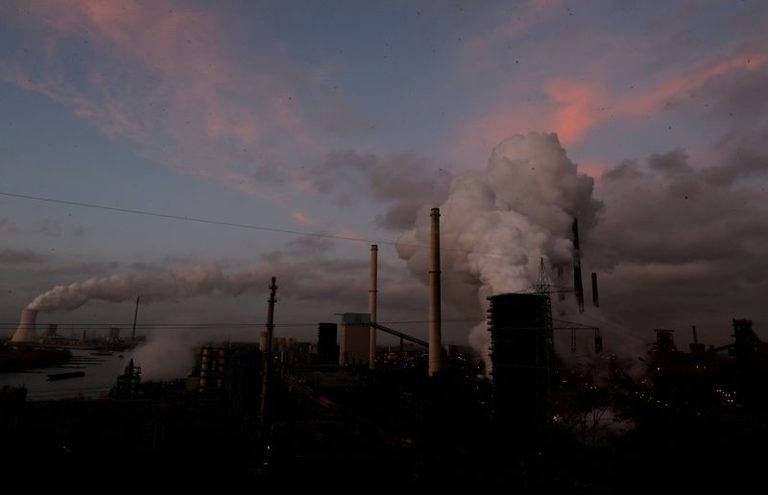
Industrial firms, including steelmaker SSAB, are warning that the European Union’s proposed overhaul of its emissions trading system could weaken the scheme and benefit polluters. The EU’s emissions trading system, which requires heavy industries and power plants to buy CO2 permits when they emit, has been in place since 2005.
Concerns Over Competitive Edge
Companies that have invested in low-carbon technologies, such as SSAB, which is spending €6 billion to upgrade its operations and switch from coal to low-carbon hydrogen, may lose their competitive edge if the system is weakened. “Companies that have not invested might actually get an advantage,” said Helena Norrman, executive vice president of communications at SSAB.
The debate exposes a core dilemma in Europe’s climate strategy: whether policymakers will hold the line on carbon pricing or yield to political pressure and help heavy polluters struggling with high energy bills and global competition. The EU’s flagship climate change policy is at risk of being watered down, which could have significant implications for the environment and the economy.
Impact on Investors and the Environment
The emissions trading system covers about 40% of EU emissions, and any rollback would have wide economic implications. Investors are also concerned about the impact of a weakened system on their ability to confidently allocate capital. “Having policy flip-flops and reversals makes that pretty tricky,” said Andy Howard, global head of sustainable investment at Schroders.
The proposed changes to the emissions trading system are taking place during a political backlash against Europe’s green agenda, which some leaders argue is eroding industrial competitiveness. However, companies like SSAB and others warn that dismantling the system will not resolve competitiveness challenges rooted in high energy costs, infrastructure gaps, and geopolitical uncertainty.
Original reporting: Appleton, WI News Feed (HLL/CB) — read the source article.