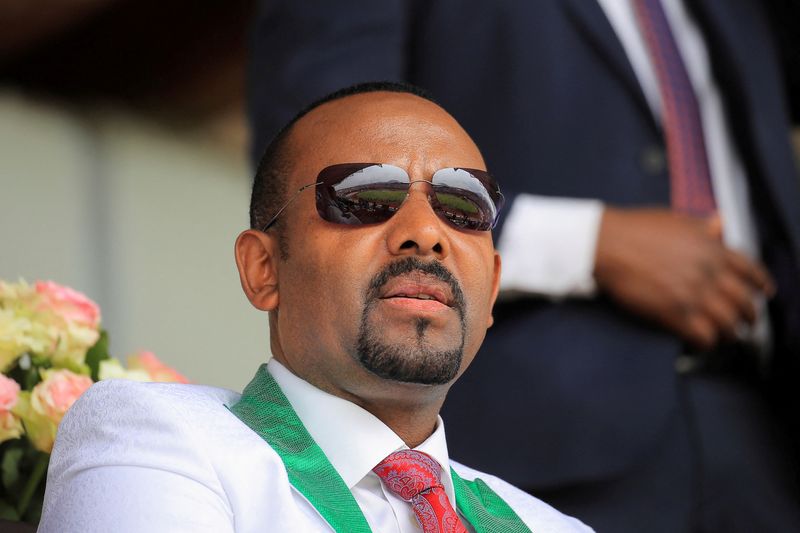
As Ethiopians prepare to cast their votes in parliamentary and regional elections, Prime Minister Abiy Ahmed’s Prosperity Party is expected to maintain its stronghold despite significant unrest across various regions. Abiy, who has been in power since 2018, has solidified his influence following mass protests against the previous ruling coalition.
Political Landscape and Challenges
The Prosperity Party achieved a landslide victory in the 2021 elections, securing 410 out of 484 parliamentary seats. However, Abiy’s tenure has been marked by persistent violence in ethnically organized regions, including Oromiya and Amhara. In Amhara, the Fano militia has gained control over parts of the countryside since 2023.
The northern Tigray region, which experienced a devastating civil war from 2020 to 2022, remains a flashpoint. Although a peace agreement was reached in 2022, recent moves by Tigray’s main political party to regain control have raised concerns of renewed conflict. Consequently, elections will not be held in Tigray due to what officials describe as “unfavourable conditions.” Voting will also be suspended in several Amhara constituencies due to insecurity.
Opposition and Economic Outlook
The Prosperity Party faces a fragmented opposition, weakened by internal divisions and allegations of government interference. Opposition leaders accuse the federal government of undermining their efforts through arrests and legal hurdles. The government denies these charges, asserting that any actions taken are lawful.
Despite these challenges, the Prosperity Party has campaigned on its economic achievements, emphasizing improved food security and projected economic growth of over 10% in 2026. Abiy’s economic reforms, aimed at liberalizing the economy, have been credited with attracting investment and boosting exports.
International Relations and Human Rights
Abiy initially received international acclaim for his reforms, including the release of political prisoners and the lifting of bans on political parties, earning him the Nobel Peace Prize in 2019 for ending hostilities with Eritrea. However, relations with Eritrea have soured, partly due to Abiy’s statements about Ethiopia’s need for sea access, which Eritrea perceives as a potential threat.
Human rights organizations and foreign governments have criticized Abiy’s administration for alleged abuses during military operations to quell unrest. The government refutes these claims, arguing that its actions are necessary for national security.
With over 50 million registered voters out of a population of 120 million, the election results are anticipated by June 11. The outcome will be a significant indicator of Ethiopia’s political and economic trajectory amidst ongoing challenges.
Original reporting: Appleton, WI News Feed (HLL/CB) — read the source article.