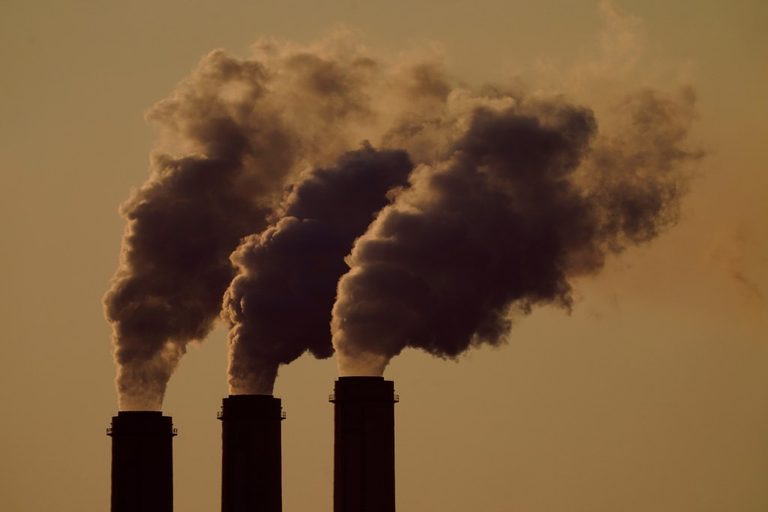
A federal judge has ruled that the Environmental Protection Agency (EPA) violated the Clean Air Act by failing to meet its deadline to identify areas with poor air quality. The ruling comes as many parts of the country are experiencing worsened air quality due to soot from wildfires in Canada and the Upper Midwest.
Background
The EPA was supposed to designate areas that violate the 2024 particulate matter standard by February 7, 2026. However, the agency failed to meet this deadline, prompting a lawsuit from 17 different organizations. The court has now set a new deadline of February 6, 2027, for the EPA to implement the standard.
The soot standard was strengthened in 2024 under the Biden administration, and the Clean Air Act requires the EPA to designate areas that violate it. This designation is crucial as it allows the EPA, in collaboration with state and federal partners, to invest in studies and actions to improve air quality.
Health Impacts
Soot inhalation is linked to various adverse health effects, including respiratory conditions, heart disease, Alzheimer’s disease, and dementia. The EPA estimated that the new standard will prevent up to 4,500 premature deaths annually, avoid 800,000 cases of asthma symptoms, and yield up to $46 billion in net health benefits once implemented.
Many communities, especially low-income ones, stand to benefit from the designations. States need to make new air quality recommendations based on previous years’ monitoring data, which will help decide what areas should be labeled as “non-attainment,” or not complying with the standard.
Original reporting: The Connecticut Mirror — read the source article.