The U.S. Environmental Protection Agency (EPA) announced Wednesday that it is removing all or parts of eight contaminated locations from the National Priorities List (NPL) and proposing partial deletions for three additional sites. The action reflects the completion of required remediation work by the EPA, state partners, and responsible parties.
Sites Fully Deleted from the Superfund List
Six properties are slated for complete removal from the NPL:
- Diamond Shamrock Corp. Landfill in Cedartown, Georgia
- Miami Drum Services in Miami, Florida
- Pepper Steel & Alloys, Inc. in Medley, Florida
- Caldwell Lace Leather Co., Inc. in Auburn, Kentucky
- Kerr‑McGee (Kress Creek/W Branch DuPage) in DuPage County, Illinois
- Rowe Industries Ground Water Contamination site in Noyack/Sag Harbor, New York
In addition, portions of two other locations are being removed:
- Hastings Groundwater Contamination in Hastings, Nebraska
- Velsicol Chemical Corp. in Marshall, Illinois
Proposed Partial Deletions
The EPA also proposed partial deletions for three more properties:
- Fort Riley in Junction City, Kansas
- Tippecanoe Sanitary Landfill Inc. in Lafayette, Indiana
- U.S. Smelter and Lead Refining Inc. in East Chicago, Indiana
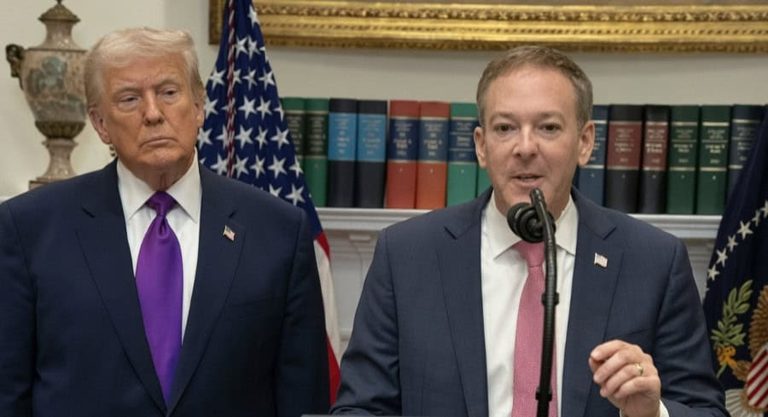
EPA Deputy Administrator David Fotouhi said the agency is “signaling to communities that significant cleanup progress has been made at 11 Superfund sites, leading to protection of human health and the environment across the country.” He noted that the Trump administration’s EPA had pledged to get the Superfund program back on track and that the agency expects to increase the number of deleted sites in the coming years.
Economic Impact of Superfund Cleanups
According to EPA data, revitalized Superfund properties have generated more than $868 billion for local economies and supported hundreds of thousands of jobs over the past 15 years. The economic benefits stem from converting former brownfield sites into commercial space, housing, parks, and wildlife reserves.
The recent deletions follow the launch of the administration’s “Superfund Solutions” initiative in May 2026, a program designed to speed up site reviews and reduce administrative delays. By accelerating the cleanup process, the EPA aims to return contaminated lands to productive use more quickly, thereby fostering local economic growth and protecting public health.
What This Means for Communities
For residents living near the cleaned sites, the deletions signal that hazardous substances have been removed or contained to levels deemed safe by federal standards. While the EPA continues to monitor many former Superfund locations, the agency’s progress demonstrates a commitment to addressing legacy pollution and restoring land for future generations.
Stakeholders, including local governments, businesses, and community groups, are encouraged to stay informed about ongoing remediation efforts and to participate in future planning for redeveloped sites. The EPA plans to release additional updates as more properties move toward full deletion from the National Priorities List.
Original reporting: Tampa Free Press — read the source article.