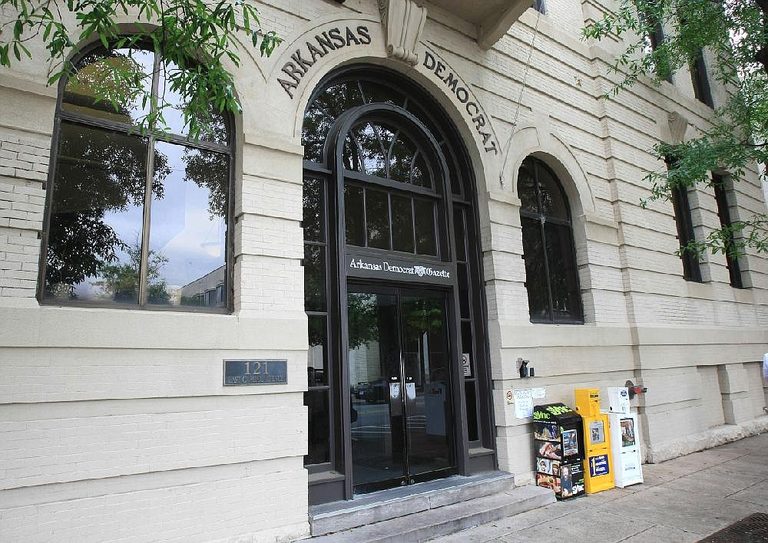
Entergy Arkansas, the state’s primary electric utility, is taking legal action to keep details of its upcoming partnership with Google private. On Tuesday the company filed a motion in the U.S. District Court for the Western District of Arkansas, requesting a temporary restraining order and a permanent injunction that would bar the Arkansas Democrat‑Gazette, one of its reporters, and the Arkansas Times from publishing any further information about the agreement.
What the lawsuit alleges
The utility claims the newspapers obtained non‑public, confidential documents through a public‑records request that were later disclosed in error. Those documents, according to Entergy, contain sensitive financial terms and proprietary data about a $526 million contract with Google’s affiliate Altitude Capital LLC, which is being used to fund a massive solar‑plus‑battery facility known as Cypress Solar.
Entergy says the Gazette’s story, published on Aug. 31, revealed how Google will pay the utility to build the solar plant and battery storage near Pine Bluff. The plant is part of a larger $4 billion data‑center project that Google plans to locate in West Memphis, Arkansas.
Details of the Google‑Entergy agreement
Under the contract, Google will finance the construction of a 600‑megawatt solar array and a 350‑megawatt battery storage system, together costing about $1.6 billion. The Public Service Commission approved a special‑rate contract in December to help power the West Memphis data center, which is expected to be a major economic driver for the region.
Entergy argues that releasing the confidential documents could jeopardize the financial viability of the project, harm competitive positioning, and expose proprietary business information that should remain private.
Judicial timeline
U.S. District Judge Lee Rudofsky has scheduled a hearing on the temporary restraining order for 4 p.m. on Tuesday at the federal courthouse in Little Rock. The judge’s decision on the temporary order will determine whether the newspapers must immediately cease publishing any further details from the leaked documents while the case proceeds.
If the court grants a permanent injunction, the Gazette and the Arkansas Times would be barred indefinitely from disclosing any additional information about the Google‑Entergy arrangement.
Implications for the community
The outcome of this case could have significant ramifications for Arkansas’s growing tech and renewable‑energy sectors. Supporters of the lawsuit argue that protecting confidential business information is essential for attracting large‑scale investments like Google’s data‑center project, which promises jobs and increased tax revenue.
Critics, however, contend that the public has a right to transparency regarding how utilities and large corporations use public‑record requests and public funds. They warn that limiting press coverage may set a precedent that could hinder accountability for future public‑private partnerships.
What’s next?
Both sides are expected to present arguments at the hearing, after which Judge Rudofsky will issue a ruling on the temporary restraining order. The case will likely continue through the federal court system, potentially reaching an appellate court if either party appeals the decision.
Residents of Arkansas, especially those in the Pine Bluff and West Memphis areas, should stay tuned for updates, as the resolution could affect local employment prospects, energy rates, and the pace of renewable‑energy development in the state.
Original reporting: Texarkana Gazette — read the source article.