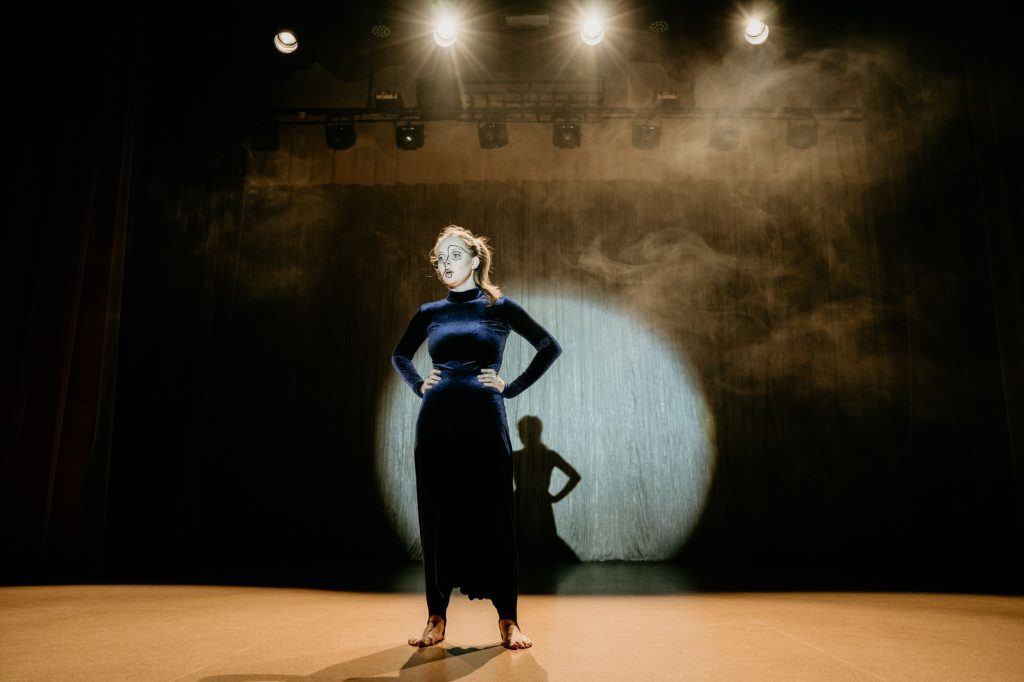
Dave Kehm has worked the sound board at the Elks Theatre for going on twelve years. Ask him what he loves about the place and he doesn’t talk about the acoustics first, or the history, or the ornate plasterwork ceiling that looks like it belongs in a European opera house. He talks about the moment the house lights drop. “There’s a pause,” he says, “where the whole room holds its breath. Doesn’t matter if it’s a high school choir or a touring act. That pause is the same every time.”
The Elks Theatre sits on St. Joseph Street in downtown Rapid City, right in the middle of the arts corridor that runs through the old part of the city. The building dates to 1926, and it still has the bones of that era — deep red seats, balcony seating that actually fills up, a proscenium stage wide enough to handle full Broadway road productions. The Rapid City Arts Council took over management in the early 1990s and has been running it as a community performing arts center since. Roughly 1,400 seats. Not a giant venue, not an intimate black box. Something in between, which turns out to be the right size for a city this size.
What goes on there varies week to week. The calendar in any given month might have a regional symphony performance, a national touring comedian, a dance recital, a film screening, and a traveling Broadway production — not the original cast, but a legitimate full-production tour with a real set and a full company. The Rapid City Symphony calls it home. So does the Black Hills Community Theatre. The building is genuinely shared in the old civic sense: local, regional, and national acts move through the same stage on the same week.
Dave says the question he gets most from out-of-towners is whether the sound is any good in an old house like this. His answer is straightforward: they’ve put real money into the technical infrastructure over the years while leaving the architectural bones alone. The result is a room that sounds better than it has any right to at the ticket prices they charge. Regional symphony tickets run twenty to forty dollars depending on seat location. Touring Broadway shows are higher, sometimes eighty to a hundred for premium seats, but the theater runs discount nights and student pricing that keep it from being an exclusively expensive night out.
Parking is street parking or the garage a block south, which is free after six on weeknights. The lobby is small and gets crowded at intermission, so if you want a drink, get there early. There’s a bar inside — wine, beer, basic cocktails — nothing fancy, but it functions.
The renovation work done in recent years touched up the plasterwork, reupholstered the seats, and improved accessibility without gutting the character. It still feels like a theater from the 1920s is supposed to feel: slightly grand, slightly hushed, with the sense that something real is about to happen. That’s harder to manufacture than it sounds, and most newer venues never quite achieve it.
Dave finishes his thought about the pause before the lights come up. “People drive two, three hours from the reservation, from the ranches out east, to come sit in those seats. That means something.” He goes back to checking cables. The show that night is a chamber orchestra from Denver. Sellout crowd.