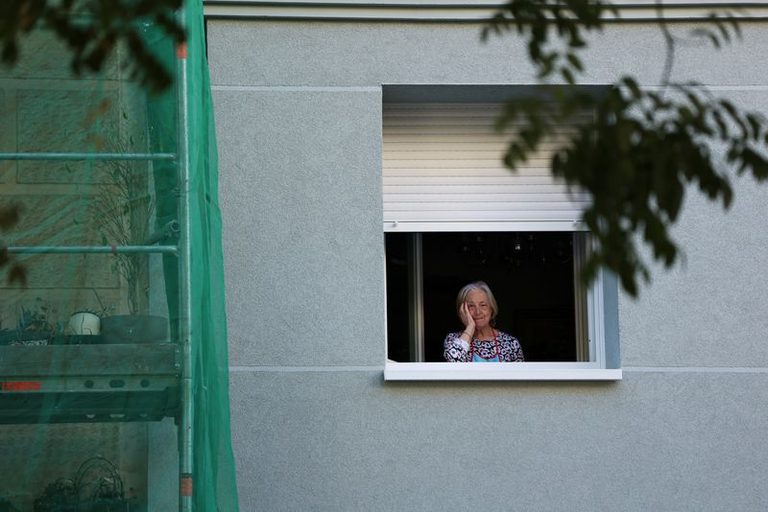
Palma de Mallorca – Pilar Lopez, 65, who suffers from a serious chronic condition caused by a spinal injury, was forced to live in her car for two months after an investment fund purchased the apartment she had rented for 12 years and evicted her this summer. Lopez says the fund offered her money to leave, which she refused, but she was unable to stop the eviction.
Now residing in temporary accommodation at a local hostal, Lopez stands outside her former flat, noting that the building appears to have been refurbished and turned into a holiday letting. “I can see that they have refurbished it,” she said, adding that the change left her without a home.
National outrage over evictions
The incident follows the recent removal of 87‑year‑old pensioner Maricarmen Abascal, who was taken from her Madrid home on a stretcher. Large demonstrations erupted across Spain, with protesters pitching tents in Madrid’s Puerta del Sol square outside the regional government headquarters. Prime Minister Pedro Sánchez pledged to seek a solution after his cabinet meets on Tuesday.
Housing shortage and soaring rents
Spain is experiencing an acute housing crisis. Property prices and rents are rising faster than real‑wage growth, driven by a slow pace of new construction. The Bank of Spain estimates a deficit of about 750,000 homes, projected to exceed one million by 2028 – nearly double Italy’s shortfall.
The average monthly rent of €1,176 (about $1,337) now represents roughly 98.7 % of the average Spanish salary, according to the Youth Council of Spain. The shortage has been exacerbated by a surge in tourism and limited new housing supply.
Expired tenant‑protection law
A pandemic‑era law that protected vulnerable tenants expired in March after opposition parties rejected its extension. Carme Arcarazo, spokesperson for Spain’s Confederation of Tenants’ Unions, warned that the “crumbs” offered by Sánchez are no longer enough.
Tenant groups are calling for automatic renewal of rental contracts, similar to policies in the Netherlands, Austria and Germany, and for measures like those in Britain that prohibit evictions without justification. They propose that landlords who evict without cause compensate tenants with one month’s rent for each year of tenancy.
Political debate over reforms
Prime Minister Sánchez faces a difficult task in persuading a fragmented Congress to adopt any new decree. Left‑wing parties such as Sumar and Podemos have urged rent caps and automatic contract renewals, while the Catalan nationalist party Junts supports measures to curb “vulture funds” but opposes actions that would limit supply or punish small landlords, who own the majority of Spanish rental properties.
Data from the Bank of Spain shows that investment funds and holding companies own only about 8 % of Spain’s property market, contradicting the perception that they dominate the sector.
Human toll of the crisis
For Lopez, the eviction caused severe anxiety. While living in her car, she was forced to shower at the beach and says she cries frequently as a way to cope with the trauma.
“I cry a lot – and I mean a lot. Crying is how I let it all out,” she explained.
The situation underscores the urgent need for comprehensive housing policy that protects vulnerable residents, stabilizes rents, and encourages new construction to meet demand.
Original reporting: Appleton, WI News Feed (HLL/CB) — read the source article.