There is a moment, somewhere along South El Paso Street heading into the Duranguito neighborhood, when you stop walking and just stand there. A three-story mural wraps the side of a building — a woman’s face rendered in ochre and cobalt blue, her eyes steady, her expression saying something you cannot quite translate but absolutely feel. That is the El Paso Downtown Mural District working on you, and it works fast.
Stretching roughly from the Union Plaza area down through the heart of South El Paso and into Duranguito — one of the oldest continuously inhabited urban neighborhoods in the American Southwest — this open-air gallery has been accumulating murals for decades. Some are politically charged. Some are tenderly domestic. Many are enormous. All of them are free, and none of them require a ticket, a reservation, or anything beyond a comfortable pair of shoes and a willingness to wander.
What makes this corridor genuinely special, rather than just photogenic, is the layered history underneath the paint. Duranguito has roots stretching back to the late 1800s, and the neighborhood served as the first point of entry for thousands of Mexican immigrants crossing into the United States throughout the twentieth century. The murals acknowledge that history without romanticizing it. You will see imagery drawn from the Mexican muralism tradition — think echoes of Rivera and Siqueiros — alongside contemporary graffiti-influenced pieces, folk-art-style portraits of neighborhood elders, and abstract compositions that feel purely personal to the artists who made them.
Local artists including El Paso-born painters and muralists affiliated with organizations like the Border Arts Corridor and community advocacy groups have contributed works over the years. New pieces appear with some regularity, so even if you visited two years ago, the walls have changed. That is part of the appeal: this is a living, breathing collection, not a static one.
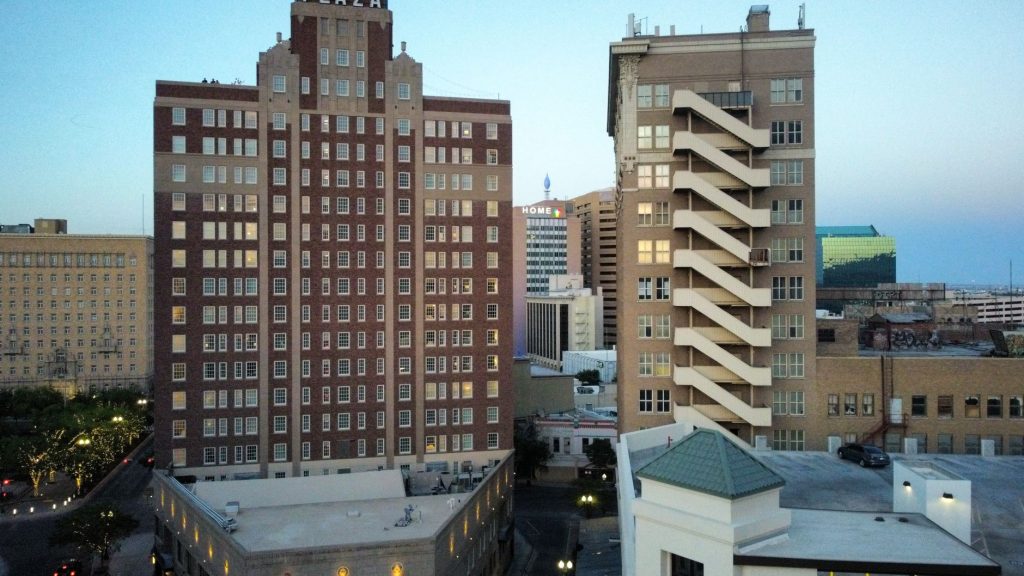
Plan to spend at least two to three hours if you want to do the area justice. Start near the intersection of South El Paso Street and West Overland, then let yourself drift south and east. The streets are walkable and relatively flat. Stop for a cup of coffee or an agua fresca from one of the small tiendas along the way — the neighborhood commercial strip is still very much a working, local place, not a tourist corridor, which is exactly why it feels so authentic.
Bring a camera, obviously, but also bring patience. Some of the best pieces are tucked down alleys or facing interior courtyards that you only discover by paying attention. Mornings are ideal: the light is soft, the crowds are thin, and the colors pop against the desert sky in a way that makes every frame look considered.
El Paso’s identity has always been shaped by the border — the crossing, the blending, the beautiful friction of two cultures occupying the same space. The mural district does not explain that identity so much as embody it, wall by extraordinary wall. Come see it for yourself.