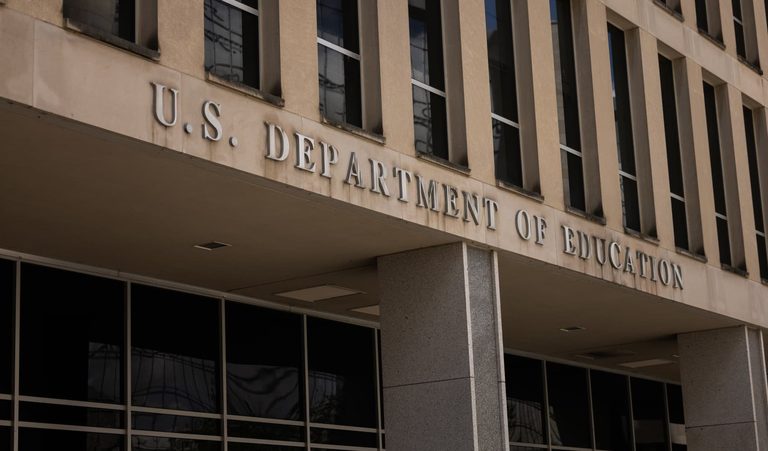
On August 3, Education Secretary Linda McMahon wrote to colleges and universities across the United States, including Connecticut’s public higher‑education system, requesting detailed responses on several key issues. The letter asks institutions to address tuition affordability, student success after graduation, free‑speech protections, and the role of race in admissions.
State response
Connecticut’s State Colleges and Universities system (CSCU) said it is reviewing the Department’s request. Spokesperson Samantha Norton emphasized the system’s commitment to providing an affordable, high‑quality education that aligns with the state’s workforce goals.
Legislative concerns
State lawmakers echoed the Department’s focus on cost and outcomes. Republican Sen. Henri Martin (Bristol) said the state must examine how families can access “high‑value degrees” without incurring excessive debt. Democrat Sen. Derek Slap (West Hartford) agreed, adding that recent federal actions have worsened the situation by cutting research funding and reclassifying professions such as nursing and teaching.
Sen. Slap questioned whether the current administration is “actively attacking higher education,” noting that reduced grant funding limits the size of student loans available.
Admissions and merit
The letter also touches on the Justice Department’s lawsuit alleging that Yale University used race as an admissions factor. McMahon asked all schools to be transparent about how admissions decisions are grounded in merit, achievement, and the institution’s educational purpose.
Yale President Maurie McInnis responded that the university has already taken steps to protect free speech and academic freedom, citing internal and external expertise to ensure teaching and research remain rooted in open inquiry.
Free‑speech and academic freedom
McMahon’s request for schools to detail plans for safeguarding free expression reflects a broader federal emphasis on protecting speech on campus. The Department wants institutions to explain how they will advance American security interests while delivering academic programs.
Governor Ned Lamont, a Democrat, expressed reservations about the federal push, stating he had not read the letter but was concerned about the administration dictating university mission statements. He warned that such direction could undermine true academic freedom.
What’s next?
McMahon has asked colleges to approve updated statements of principle by the end of the year. Connecticut’s public colleges are expected to submit their responses in the coming months, outlining how they will address tuition costs, improve graduate outcomes, protect free speech, and ensure merit‑based admissions.
Stakeholders—including students, families, and state officials—will be watching closely to see whether the proposed changes lead to more affordable education and greater transparency in admissions practices.
Original reporting: NBC Connecticut — read the source article.