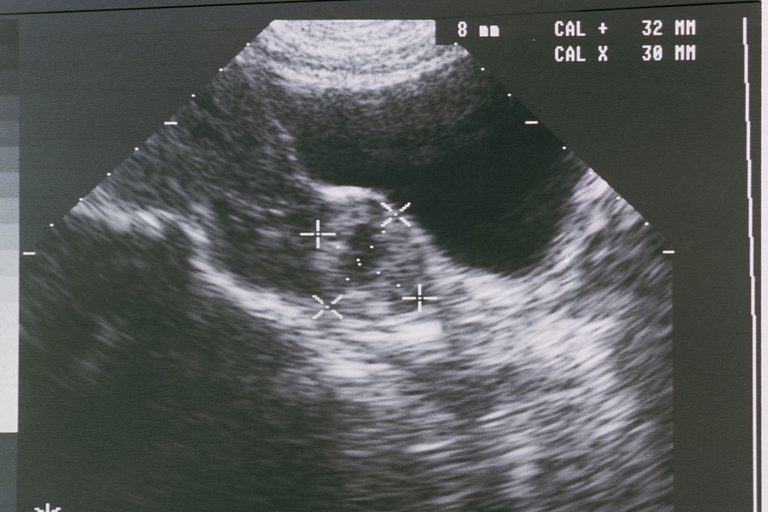
New data from the Centers for Disease Control and Prevention reveal a disturbing rise in deaths from ectopic pregnancies—a condition where a fertilized egg implants outside the uterus, most often in a fallopian tube. The analysis, conducted by ProPublica, found almost 200 women died between 2020 and 2025, compared with about 100 in the six years before that period.
Why ectopic pregnancies are a medical emergency
When an ectopic pregnancy ruptures, it can cause catastrophic internal bleeding. With prompt medical intervention, the condition is almost always survivable, yet the recent spike suggests that many patients are not receiving timely care.
Impact of state abortion restrictions
The increase is nationwide, but the climb is markedly steeper in states that have enacted strict abortion bans since the Supreme Court’s 2022 decision overturning Roe v. Wade. Texas, Oklahoma, and several other states with similar restrictions show the highest growth in deaths.
Doctors must terminate an ectopic pregnancy to save the mother’s life. However, lawsuits and federal complaints allege that some providers hesitate or refuse to do so in states where criminal penalties exist for performing abortions. Patients describe terrifying delays. “I genuinely thought I was going to die,” said Kyleigh Thurman, whose fallopian tube ruptured after she struggled to obtain care in Texas in 2023.
Case studies highlight systemic failures
In Thurman’s case, two emergency departments sent her home despite clear signs of an ectopic pregnancy. A 2025 regulator investigation found that Ascension Seton Williamson Hospital failed to screen her properly and did not call in an OB‑GYN, violating both hospital policy and federal law requiring stabilization before discharge. Thurman is now suing Ascension Seton Williamson and Ascension Seton Highland Lakes for medical malpractice.
Leitaea Lowrimore of Oklahoma reported similar obstacles, saying she was denied treatment at multiple hospitals in February 2023 and feared for her children’s future.
Expert commentary
Dr. Alice Abernathy, an OB‑GYN in Philadelphia, called a death from ectopic pregnancy a “never event.” Maternal‑health researchers caution that while abortion bans alone cannot fully explain the national rise, the documented delays in care are a significant factor. “It’s a real challenge to tease out one thing out of the array of factors that undermine women’s health in these states,” said Eugene Declercq, a public‑health researcher at Boston University.
Other experts note that telehealth medication abortions are not linked to higher ectopic rates. “Telehealth clinics screen patients carefully and follow up for symptoms,” explained Ushma Upadhyay of the University of California, San Francisco.
What the data mean for families
The rise in ectopic‑related deaths disproportionately affects younger women, despite the condition being more common among older patients. Families across Texas and other ban states are calling for clearer medical exceptions and stronger enforcement of emergency‑care statutes.
State officials and health‑care leaders are urged to ensure that hospitals comply with federal emergency‑care requirements, so that life‑saving treatment is not delayed by legal uncertainty.
Original reporting: Texas Tribune (HLL/CB) — read the source article.