An American volunteer doctor, Dr. Peter Stafford, has tested positive for Ebola after treating patients at Nyankunde Hospital in Bunia, Democratic Republic of Congo, and his evacuation to Germany has stirred concern as the DRC men’s soccer team is set to be based in Houston for World Cup group play with the possibility of a match at Dallas Stadium. Health agencies including the World Health Organization and the Centers for Disease Control and Prevention are racing to contain the outbreak while Texas health officials and local organizers sort through travel rules and tournament logistics.
Dr. Peter Stafford contracted the virus while volunteering with Serge, a Pennsylvania-based medical ministry, and developed symptoms after treating patients exposed to the rare Bundibugyo strain. Stafford, his wife, their four children and another volunteer physician were evacuated to Germany, chosen in coordination with the U.S. State Department for its shorter flight time and experience treating Ebola patients. The evacuation underlines how quickly agencies can move to protect infected aid workers and their families.
The Congolese health ministry has reported at least 88 deaths and more than 330 suspected or confirmed cases in the current outbreak, a sharp reminder of how severe Ebola outbreaks can be. The Bundibugyo variant is uncommon; this marks only the third detection of that specific strain despite decades of Ebola activity in central Africa. Past outbreaks in the region, including ones in 2007–2008 and 2012, show how localized flare ups can still carry serious human costs.
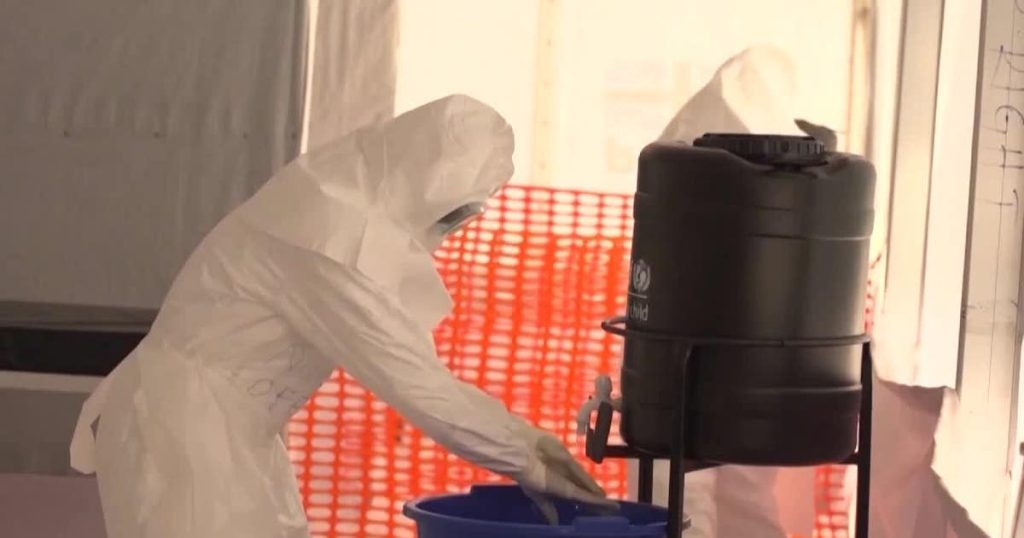
Global response teams are on the ground and shipping supplies to set up treatment centers and protect frontline staff. Fatima Tafida, the WHO Africa regional supply chain lead for emergency preparedness and response, said teams have already delivered 18 tons of emergency materials to support the effort. With no approved vaccines or targeted medicines for this particular strain, the emphasis is on isolation, protective gear and rapid care for those infected.
Texas doctors have been urging calm while also pushing for public education about Ebola’s transmission. The disease spreads through direct contact with bodily fluids such as blood, vomit or semen, which makes strict infection control vital in medical settings. While Ebola remains rare, its symptoms can be severe and often fatal, so local health providers are reiterating basic precautions for clinicians and the public alike.
The WHO has stressed the outbreak is not a pandemic like COVID-19 and has advised against closing international borders, but the CDC has issued a 30-day emergency order limiting U.S. entry for foreign nationals who visited Congo, Uganda or South Sudan within the previous 21 days. That 21-day window matches the maximum incubation period for Ebola and creates immediate complications for travel and team movements tied to the World Cup. Organizers and health officials are trying to square public safety with tournament schedules.
The Democratic Republic of Congo men’s soccer team was scheduled to train in Houston and stay near the Galleria Houston area ahead of a June 17 group match, with other group games set for Atlanta and Guadalajara, Mexico. Those plans now face uncertainty because of the temporary travel restrictions and the need to protect players, staff and local communities. Local organizers in Houston and Dallas are coordinating with health authorities to monitor any changes as the tournament approaches.
If tournament results send Congo into the knockout stages their path could bring them to North Texas. Should Congo advance as a group runner-up, they would play a knockout match in Toronto on July 2 and the winner of that match is slated to play at Dallas Stadium on July 6. That bracket scenario means officials in Dallas are watching developments closely, balancing fan excitement with public health precautions.
The Source: Information in this article comes from the CDC, Houston health experts and previous reporting. Texas health leaders say they are ready to share facts and answer questions, and that public awareness is the best immediate defense against panic. Officials also stress that routine travel and public events are still manageable when guided by clear, practical safety steps.
Across agencies, the short-term aim is containment and care while keeping the World Cup on track as much as possible. For players, staff and fans, common sense precautions and cooperation with health screenings will be essential over the coming weeks. In a fast-moving situation, timely information and measured action are what will keep communities safe and the tournament moving forward.