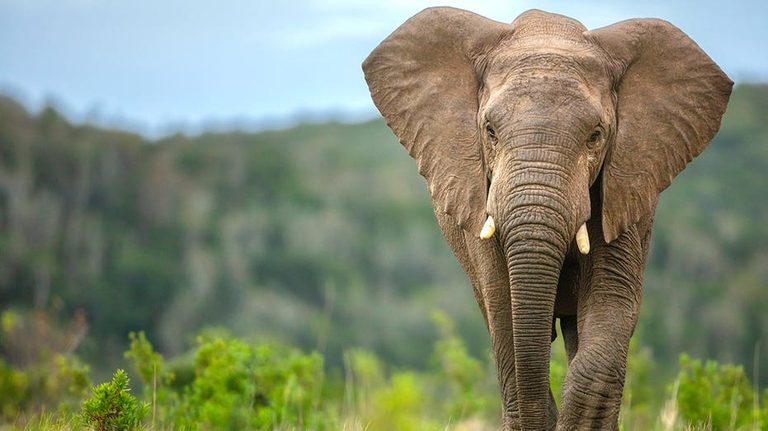
A recent study suggests that early humans were butchering elephants for survival nearly 2 million years ago. The research centers on Olduvai Gorge, a site in northern Tanzania’s Serengeti Plains known for major discoveries of early human fossils and tools.
Early Human Survival
At the site, excavators found stone tools alongside bones of ancient elephants — and the recent paper suggests the remains were likely deliberately butchered by early human ancestors. The bones date back some 1.8 million years, during the early Pleistocene epoch.
The study also says that early humans’ ability to butcher large animals ‘represents a unique evolutionary trajectory, with no direct modern analogue.’ This shift in behavior is accompanied by larger, more complex occupation sites, signaling a profound ecological and technological transformation.
Meat from large animals like elephants would have provided a significant food source for early humans, the paper notes. The food surplus generated by the exploitation of some of these animals would have been a significant advantage for the survival and adaptation of the hominin groups.
Original reporting: Fox News (HLL/CB) — read the source article.