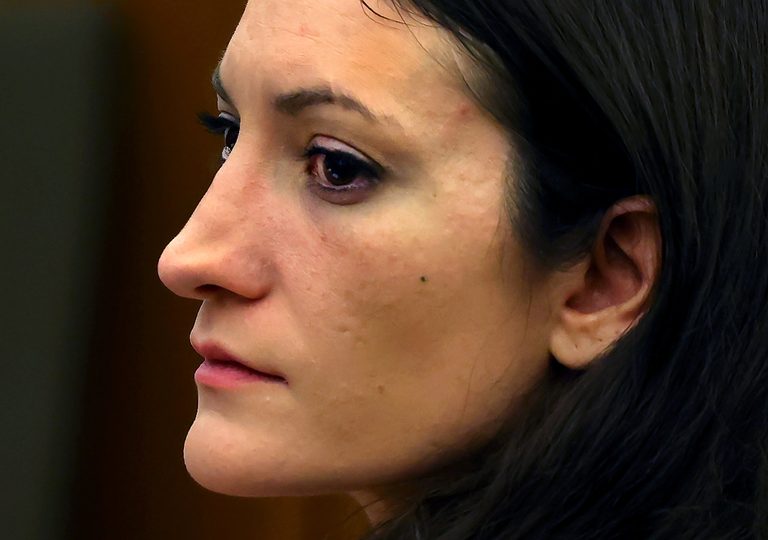
On Monday, the courtroom in Duxbury, Massachusetts, returned to the murder trial of Lindsay Clancy after the judge denied the defense’s request for a mistrial. The request was based on a new comment the defense made about the concept of mortal sin, which the judge found insufficient to halt the proceedings.
Prosecution’s expert witnesses testify
Two of the three rebuttal witnesses called by the prosecution took the stand. Psychiatrist Dr. Avram Mack and forensic psychologist Kirk Heilbrun offered their professional assessments of Clancy’s mental condition at the time of the killings. Both experts described a pattern of severe mental illness, noting that Clancy exhibited signs consistent with bipolar disorder and postpartum psychosis.
The prosecution maintains that Clancy’s actions were premeditated. According to the indictment, on Jan. 24, 2023, she strangled her three children—Cora, 5; Dawson, 3; and Callan, 8 months—in their Duxbury home after sending her then‑husband Patrick out on errands. After the murders, Clancy jumped from a second‑story window, sustaining injuries that left her paralyzed from the waist down.
Defense argues lack of criminal responsibility
Clancy’s attorneys continue to argue that her mental illness should preclude criminal liability. They contend that the combination of bipolar disorder and postpartum psychosis rendered her incapable of forming the intent required for a murder conviction. The defense’s position hinges on the legal doctrine of “insanity” and seeks to have the jury consider her mental state as a mitigating factor.
During the hearing, the defense also raised a theological point, suggesting that the concept of mortal sin was being misapplied in the prosecution’s narrative. The judge, however, ruled that the comment did not constitute grounds for a mistrial and ordered the jury to reconvene.
Jury and courtroom proceedings
The jury, which had been sent home early pending the judge’s decision, was instructed to return to the courtroom on Tuesday to continue hearing evidence. No new evidence was introduced during the mistrial motion hearing, and the trial’s schedule remains on track for the projected conclusion in the coming weeks.
Both sides have emphasized the importance of the upcoming testimony. The prosecution plans to call additional witnesses to establish motive and pre‑meditation, while the defense intends to present further expert testimony on Clancy’s psychiatric history.
Community reaction
The case has drawn significant attention in the Duxbury community, where residents have expressed a mix of shock, sorrow, and concern for the family’s surviving members. Local faith leaders have offered prayers for the victims and for a fair legal process, underscoring the community’s desire for both justice and compassion.
As the trial proceeds, the court will continue to balance the legal standards of criminal responsibility with the complex medical and psychological evidence presented by both sides.
Original reporting: NBC Connecticut (Hartford) — read the source article.